August 20, 2026
In modern supply chain ecosystems, keeping products moving efficiently requires exceptional agility, strict cost control, and reliable machinery. Warehouses face constantly changing order volumes, unexpected surges, and equipment wear that can derail daily throughput if not managed effectively. Relying on professional forklift rentals allows facility managers to adapt seamlessly to fluctuating workloads while maintaining high operational standards.
Scaling Fleets During Seasonal Demand Spikes
Peak business seasons introduce immense strain on logistics infrastructures, often requiring facilities to handle more than their usual inventory volume. Purchasing brand-new machinery simply to meet the demands of peak seasons leaves valuable capital tied up in assets that sit idle during off-peak periods. By turning to temporary fleet expansion, supply chain leaders can scale their machine count upward exactly when order processing accelerates and return the equipment the moment shipping flows normalize. This dynamic scalability ensures that order fulfillment speeds remain high without burdening the facility with permanent maintenance costs or overcrowded staging areas.
Furthermore, sudden market shifts and unexpected contract wins can create immediate resource gaps that demand swift action. When a logistics company secures a major short-term contract, wait times for new factory-ordered machinery can span several months, threatening project deadlines. Flexible acquisition options bridge like forklift rentals this critical timing gap, providing immediate access to heavy machinery that aligns perfectly with short-term project schedules. As consumer shopping habits continue to fluctuate rapidly, having the ability to expand and shrink fleet size on demand serves as a core competitive advantage for modern distribution hubs.
In addition to volume spikes, seasonal changes often dictate distinct physical operational requirements within a facility. Outdoor yard management during warmer months may demand rugged internal combustion units, whereas indoor cold storage areas require clean electric machinery. Utilizing flexible temporary equipment contracts lets managers select exact machine types tailored for specific seasonal projects rather than forcing permanent fleet inventory to perform sub-optimal roles. Strategic fleet expansion creates a resilient supply chain structure capable of handling unpredictable market conditions effortlessly.
Managing Operational Costs and Capital Expenditures
Acquiring material handling machinery through direct capital outlays consumes substantial cash reserves that could otherwise fund facility expansion, technology upgrades, or workforce development. Heavy capital expenditures lock up liquidity and increase financial risk, particularly for small and mid-sized logistics enterprises operating on tight margins. Opting for structural equipment agreements transforms heavy upfront capital expenses into predictable, manageable operating expenses that align directly with ongoing revenues. This operational expenditure model simplifies accounting processes, improves balance sheet liquidity, and keeps line-of-credit options clear for strategic investments elsewhere in the business.
Beyond the purchase price, total cost of ownership encompasses depreciating asset value, licensing fees, taxes, and interest expenses tied to equipment financing. Owning aging machinery often leads to an upward slope in maintenance expenses that can erode profitability over time. When operations leverage targeted equipment acquisition models, they transfer the financial risks associated with asset depreciation and unexpected major overhauls to the equipment vendor. Facilities pay solely for forklift rentals during its specified period of use, ensuring that every dollar spent directly supports productive material movement.
Predictable monthly operating costs also make financial forecasting significantly more accurate for logistics executives. Fixed rate contracts eliminate the budgetary surprises of costly engine replacements or battery replacements that plague fully owned fleets. Budget predictability enables facility managers to quote client rates with greater confidence, protect operating margins, and insulate their organization against market volatility. Managing material handling costs through scheduled operational agreements ultimately yields a leaner, more resilient financial footprint.
Eliminating Maintenance Hazards and Unexpected Downtime
Unplanned equipment downtime acts as an immediate bottleneck in warehouse environments, slowing down loading docks, stalling picking lines, and creating costly backlogs. Maintaining an internal fleet requires dedicated shop space, specialized tools, certified mechanics, and an extensive stock of replacement parts. When facility managers choose professional forklift rentals, comprehensive maintenance and rapid repair coverage are typically integrated directly into the service agreement. Service providers dispatch factory-trained technicians to perform routine preventive maintenance and handle emergency repairs, removing the heavy burden of equipment upkeep from the warehouse team.
If a machine experiences a major mechanical failure, reputable equipment partners immediately supply a working replacement unit to keep operations moving seamlessly. This quick replacement safety net prevents catastrophic delays in order fulfillment that could damage client relationships and lead to financial penalties. Warehouse staff can focus entirely on core competencies like inventory management, pick speed accuracy, and space optimization rather than troubleshooting broken hydraulic lines or engine faults. Eliminating maintenance headaches transforms equipment management from a stressful reactive chore into a streamlined, predictable process.
Regularly serviced machines also operate at peak fuel and electrical efficiency, which reduces overall operating costs over time. Professional rental fleets undergo rigorous multi-point inspections prior to delivery, guaranteeing that every machine arrives in optimal working condition and fully compliant with safety standards. Consistent inspection schedules protect warehouse workers from safety hazards caused by worn brakes, leaking fluids, or malfunctioning mast assemblies. Facilities gain complete peace of mind knowing their material handling assets are backed by expert service networks.
Optimizing Capacity for Diverse Warehouse Applications
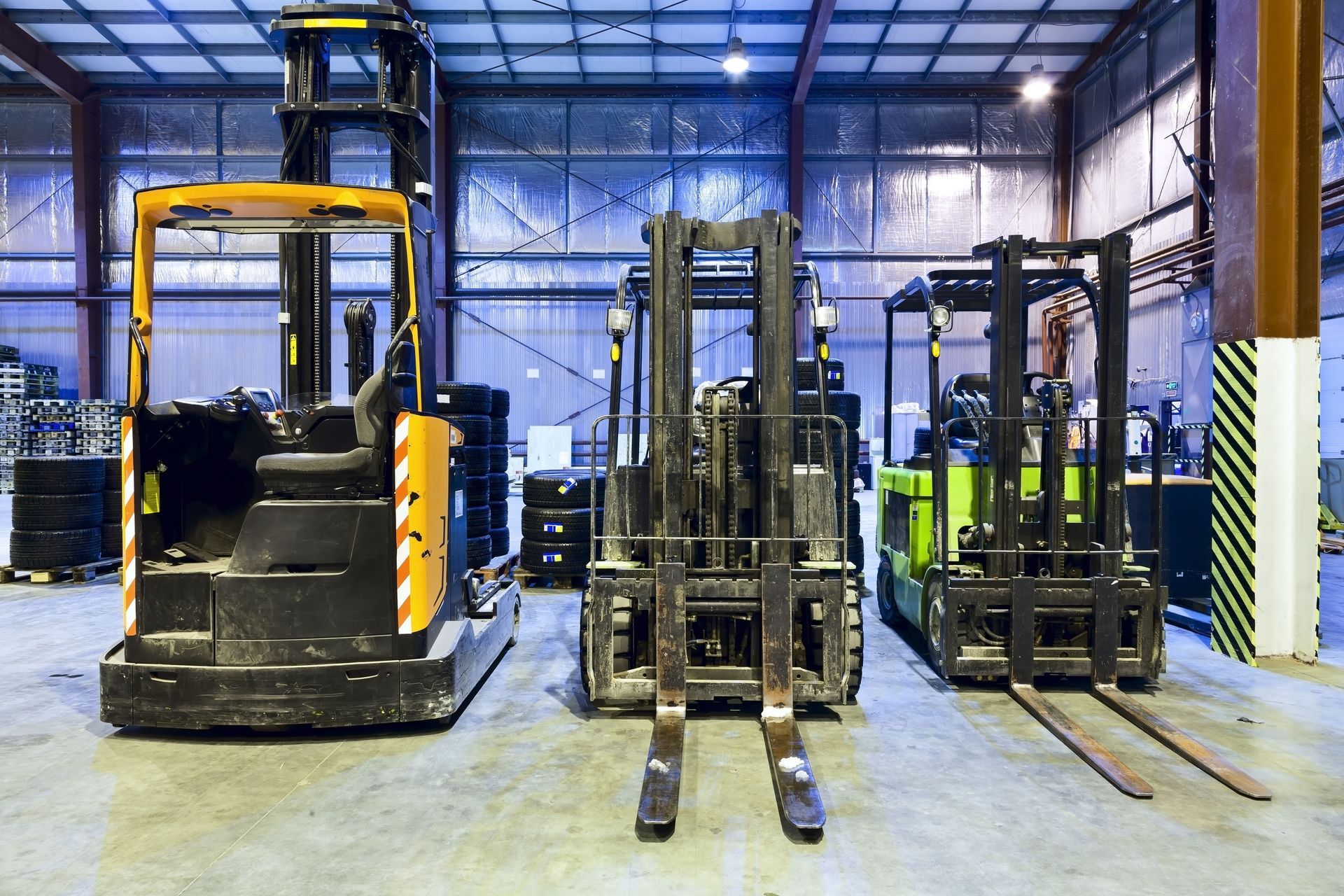
No single forklift configuration can effectively handle every task within a modern distribution center. Narrow aisle reach trucks excel at high-density vertical stacking, order pickers assist with piece-rate fulfillment, and heavy-duty counterbalanced trucks dominate loading docks and outdoor staging yards. Owning specialized machines that are only used occasionally leads to poor asset utilization and wasted floor space. Utilizing flexible forklift rentals allows facility managers to match machine specifications precisely to specific tasks, ensuring maximum efficiency across every operational zone.
Understanding weight capacities is crucial when selecting equipment for varied warehouse duties. According to data published by CertifyMe.net, everyday warehouse forklifts generally maintain a lifting capacity ranging between 3,000 and 5,000 pounds. While this standard lifting capacity handles the majority of palletized consumer goods, specialized tasks like moving heavy machinery, dense metal stock, or oversized crated materials require far higher weight ratings. Having access to a broad rental catalog enables operations to bring in heavy-capacity units for short-term specialized jobs without over-investing in oversized machines that are unnecessary for daily tasks.
Selecting the right mast height, tire compound, and attachment configuration is equally vital for maintaining operational efficiency and worker safety. For example, low-overhead doors require specialized three-stage masts, while smooth warehouse epoxy floors demand non-marking cushion tires. Working with expert equipment partners ensures that every deployed unit is tailored specifically for the physical layout and floor conditions of the job site. Tailoring equipment specifications to individual warehouse tasks maximizes throughput, prevents rack damage, and promotes long-term operator comfort.
Mitigating Financial Risks in Dynamic Markets
Economic conditions, consumer spending patterns, and global supply chain flows remain inherently volatile. Committing significant capital to a fixed fleet during periods of economic uncertainty exposes a logistics business to severe financial strain if demand suddenly cools. Implementing structured forklift rentals gives enterprise leadership the agility to downsize equipment commitments quickly if market conditions shift unexpectedly. This operational agility safeguards cash reserves, reduces fixed operating costs, and allows business owners to reallocate resources toward emerging opportunities.
Renting equipment also allows companies to test new operational strategies, facility layouts, or business lines before committing to long-term investments. For instance, a logistics provider considering a transition to high-density narrow-aisle storage can rent specialized turret trucks to evaluate productivity gains in real time. If the operational trial succeeds, the company can extend the contract or structure a long-term lease; if market demand shifts, the equipment can simply be returned without financial penalty. This low-risk experimental approach fosters operational innovation and continuous improvement across the supply chain.
Strategic flexibility serves as the foundation of modern warehouse resilience. By decoupling material handling capacity from permanent asset ownership, companies transform potential equipment liabilities into flexible, high-performing resources. Relying on trusted equipment rental partners empowers warehouse operations to navigate economic fluctuations confidently, maintain flawless order fulfillment, and achieve long-term profitability.
Driven by unpredictable market demands, rapid technological progress, and strict budget constraints, material handling strategy requires continuous adaptability. Flexible equipment solutions allow warehouse managers to optimize fleet size, eliminate maintenance worries, and maintain reliable daily throughput without heavy capital risks. By partnering with dependable equipment providers, modern supply chains secure the exact tools needed to remain competitive, safe, and efficient. For more insight on how warehouse operations utilize
forklift rentals, please contact TRS Equipment LLC today.