September 9, 2026
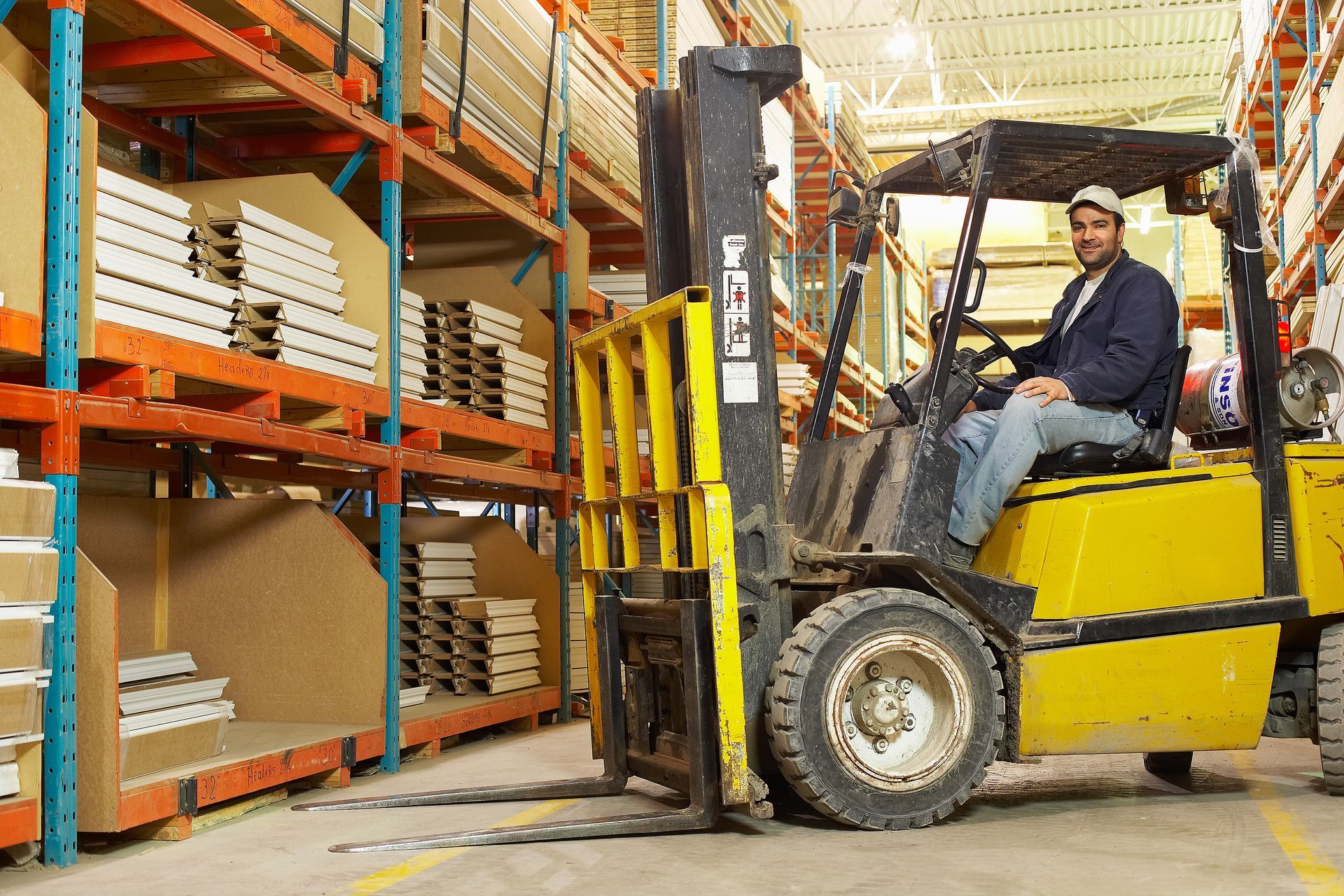
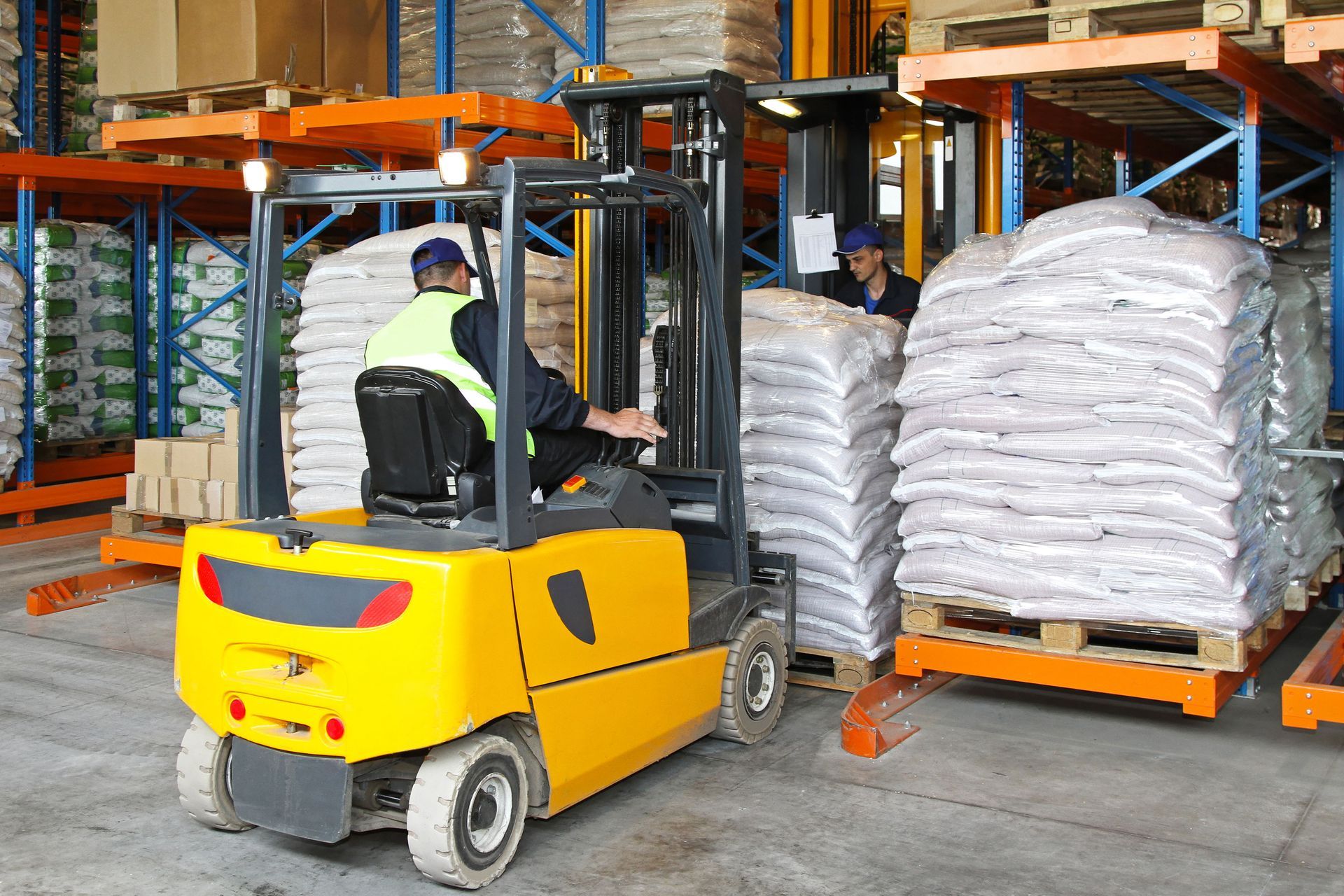
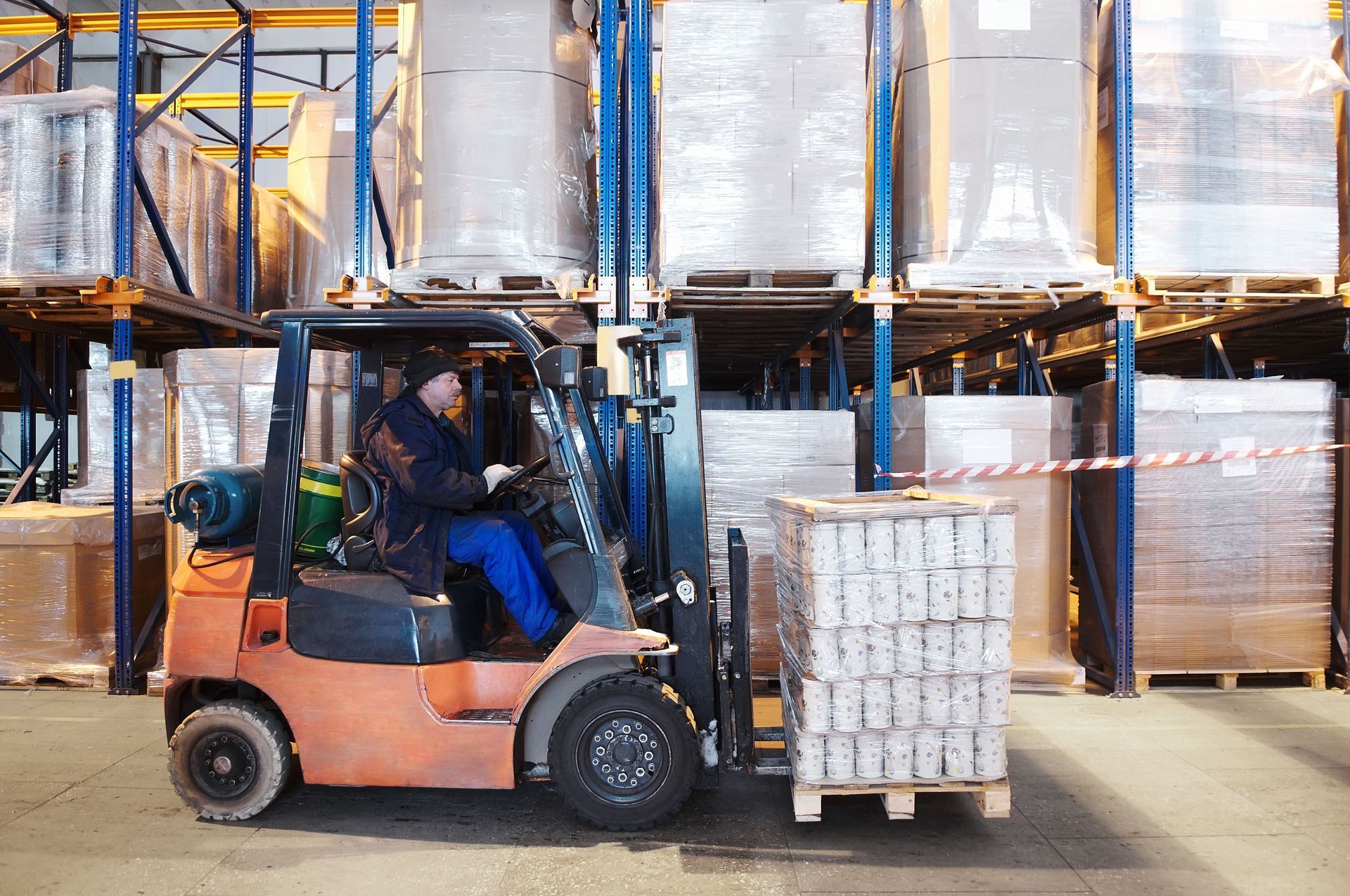
Efficient warehouse operations depend on having the right equipment available when and where it is needed. Forklifts play a central role in moving pallets, loading and unloading shipments, organizing inventory, and keeping materials flowing through the facility. When a warehouse does not have enough functioning equipment, delays can quickly affect productivity, labor allocation, and customer service. Forklift rentals can provide a flexible way to supplement an existing fleet, replace equipment that is temporarily unavailable, or support seasonal increases in demand. Renting can also help businesses match specific forklift types to particular tasks without committing to a permanent purchase. By improving equipment availability and operational flexibility, reliable rental options can help warehouses maintain smoother day-to-day workflows.
Improving Equipment Availability
One of the most immediate ways rentals can streamline warehouse operations is by helping ensure that the right equipment is available when workloads increase. A warehouse may have enough forklifts for normal daily activity but suddenly need additional machines during inventory periods, large incoming shipments, or seasonal surges. Without extra equipment, employees may have to wait for a forklift to become available, creating unnecessary downtime and slowing material movement. Renting allows managers to add capacity when needed without permanently expanding the fleet.
Forklift rentals can also provide a practical solution when an owned machine is temporarily out of service. Mechanical problems, routine maintenance, or unexpected repairs can reduce available equipment at inconvenient times. Instead of reorganizing the entire workflow around a missing forklift, a rental can help fill the gap and keep important tasks moving. Maintaining access to enough working equipment can help prevent bottlenecks and make it easier for employees to stay focused on assigned responsibilities.
Reducing Operational Downtime
Downtime can create problems throughout a warehouse because many tasks depend on materials reaching the correct location at the correct time. If workers are unable to move pallets from receiving areas, replenish racks, or transport finished products to shipping zones, delays can spread across multiple departments. Reliable access to forklifts helps limit these interruptions by giving operators the equipment they need to continue working. This can be especially important in facilities with tight shipping schedules or high daily inventory movement.
Using forklift rentals during planned maintenance or equipment replacement can also make scheduling easier. Managers can arrange for temporary machines before removing owned equipment from service, reducing the chance that maintenance work will interfere with regular operations. This approach allows companies to address necessary repairs without forcing employees to work around equipment shortages. By planning ahead and maintaining adequate lift capacity, warehouses can keep workflows more consistent and reduce the productivity losses that often accompany unexpected downtime.
Adapting to Changing Workloads
Warehouse demand is rarely identical throughout the year. Retailers may experience heavier activity around holidays, distributors may handle periodic bulk shipments, and manufacturers may increase production during specific seasons. Purchasing additional forklifts for a temporary workload increase may not be financially practical if those machines will sit unused once demand returns to normal. Renting provides a way to adjust equipment levels according to current operational requirements without creating a long-term ownership commitment.
Forklift rentals can also help businesses respond more quickly when new contracts, customers, or projects create sudden changes in workload. Instead of waiting through a purchasing process, a warehouse may be able to bring in additional equipment for the period when it is needed most. This flexibility allows managers to scale operations more closely with actual demand. It can also make staffing decisions easier because employees are less likely to be limited by a shortage of machines during busy periods.
Matching Equipment to Specific Tasks
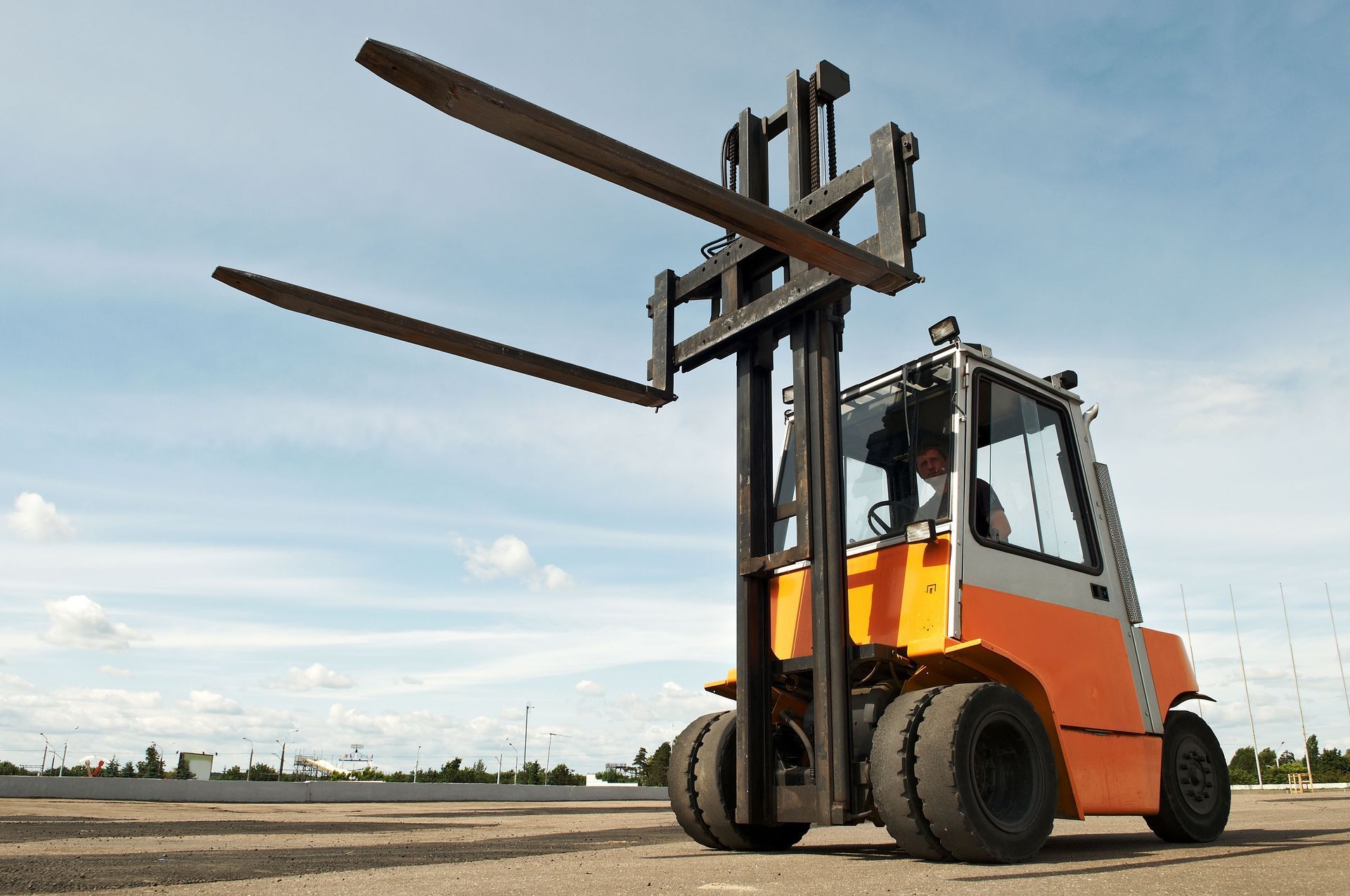
Not every forklift is designed for the same environment or application. Some machines are better suited for narrow aisles, while others are designed for heavy loads, outdoor surfaces, high lifting heights, or specialized material-handling tasks. Warehouses that own only a limited selection of equipment may occasionally encounter jobs that are difficult to complete efficiently with the machines they already have. Renting gives businesses access to different forklift types based on the specific requirements of a project.
This can improve both efficiency and equipment use. Rather than forcing one machine to handle tasks outside its ideal application, managers can select equipment with the proper capacity, lift height, dimensions, or tire configuration. According to Zippia, the United States has more than 403,000 certified forklift drivers. With many trained operators working across warehouses and industrial facilities, having appropriate equipment available can help those employees perform their jobs more effectively while following established workplace procedures.
Controlling Equipment Expenses
Forklift ownership involves more than the initial purchase price. Businesses must also account for maintenance, repairs, storage, insurance, depreciation, and eventual replacement. For warehouses that only need additional equipment occasionally, these ongoing expenses can make owning extra machines less practical. Forklift rentals allow companies to pay for added capacity during the specific periods when it is required, which can make equipment costs easier to align with operational demand.
Renting may also make budgeting more predictable for short-term projects. Instead of facing unexpected repair expenses for an additional owned machine, managers can incorporate the rental cost into the project budget from the beginning. This can be especially useful when planning temporary expansions, facility reorganizations, inventory projects, or seasonal operations. While long-term ownership may still make sense for equipment that is used continuously, rental options can provide financial flexibility for changing or occasional needs.
Supporting Safer Workflow Planning
Equipment shortages can encourage rushed decisions in a busy warehouse. Employees may wait for machines, attempt to reorganize tasks, or use available equipment that is not ideally suited for a particular load or area. Having enough appropriate forklifts available makes it easier for managers to plan workflows around normal operating procedures rather than around equipment limitations. This can support more organized material movement and reduce pressure on employees to improvise when schedules become demanding.
Forklift rentals can also allow managers to choose machines that better match specific environmental conditions. For example, a compact forklift may be more appropriate for confined areas, while a higher-capacity model may be needed for heavier materials. Selecting the correct machine for the job can help operators work within equipment limits and established procedures. Reliable equipment availability also makes it easier to rotate machines for maintenance instead of delaying service because the warehouse cannot afford to lose capacity.
Supporting Long-Term Operational Flexibility
Warehouse needs can change as businesses grow, reorganize facilities, add product lines, or introduce new storage systems. Purchasing equipment too early can leave a company with machines that no longer fit future requirements. Renting gives managers an opportunity to evaluate different forklift configurations before making a larger investment. This can be useful when testing a new warehouse layout, changing rack heights, or determining which equipment type works best for evolving operations.
Forklift rentals can also help businesses bridge the gap while waiting for new equipment to arrive or while deciding whether a permanent purchase is justified. This flexibility allows warehouse managers to make equipment decisions based on actual use rather than predictions alone. Over time, rental experience can provide useful information about capacity needs, preferred machine types, and operating frequency. That information can support better fleet planning and help companies avoid purchasing equipment that does not align with long-term operational demands.
Reliable forklift access can make warehouse operations more efficient by reducing equipment shortages, limiting downtime, supporting changing workloads, and giving managers more flexibility when planning daily tasks. Renting also makes it possible to match equipment to specific applications, control short-term costs, and maintain productivity while owned machines are being serviced or replaced. Forklift rentals can be especially useful for warehouses that experience seasonal demand, temporary projects, or changing equipment requirements. By maintaining the right level of lift capacity, businesses can keep materials moving and employees working more efficiently. To learn more about equipment options that can support your warehouse operations, contact TRS Equipment LLC.