July 25, 2026
In the fast-paced world of modern industrial operations, logistics, and warehousing, forklifts stand as the ultimate workhorses. They are the backbone of global supply chains, manufacturing centers, and construction projects, turning highly strenuous, manual material handling tasks into highly streamlined, automated, and efficient physical systems. However, for small businesses, startup operations, or short-term project managers, purchasing a brand-new forklift is a massive financial commitment that can drain critical capital reserves. Buying an industrial vehicle involves not just the high initial price tag, but also long-term maintenance liabilities, depreciation, storage concerns, and specialized transport equipment.
Navigating the strategic landscape of forklift rental can save your business from these heavy upfront capital expenditures while providing immense, dynamic operational flexibility. Renting allows you to scale your fleet up or down based on seasonal demands, test out different equipment models before committing to a purchase, and eliminate the headache of long-term machine upkeep. This comprehensive beginner's guide is designed to walk you through the essential foundational knowledge needed to make smart, cost-effective decisions. By understanding machine types, evaluating your specific business needs, navigating lease agreements, and managing logistical costs, you will be fully prepared to leverage rental machinery to boost your bottom line and keep your operations running seamlessly.
Understanding Forklift Types and Their Uses
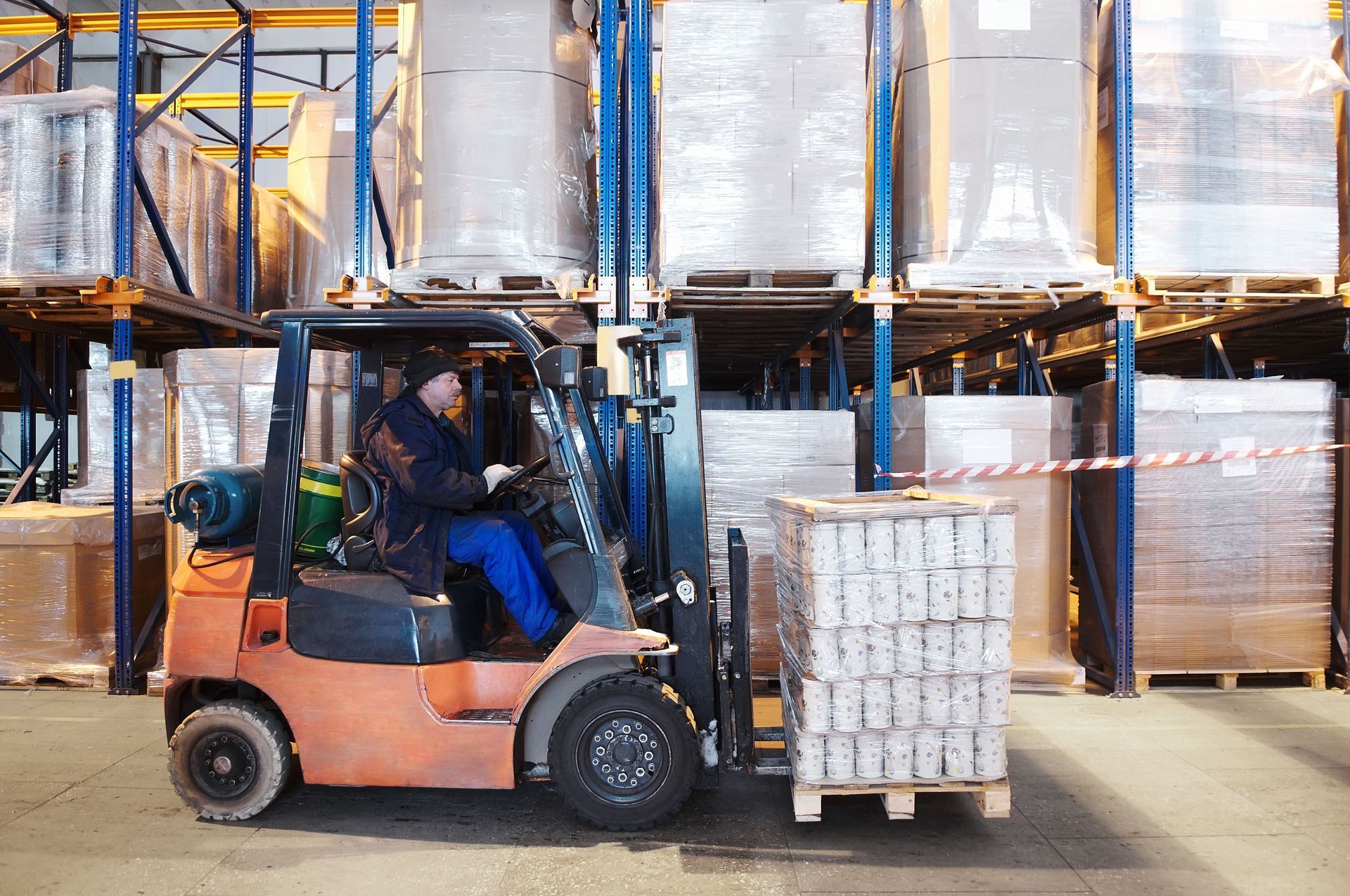
Electric forklifts are primarily powered by large-capacity lead-acid or lithium-ion batteries. Because they emit zero emissions and operate with minimal noise, they are the absolute standard for indoor applications. You will commonly find them in food processing warehouses, pharmaceutical centers, and retail storage facilities where maintaining pristine indoor air quality is legally mandated. When evaluating an indoor forklift rental for your warehouse facility, keep in mind that although electric models sometimes command a slightly higher daily base rate due to the expensive battery technology, their incredibly low operational costs and minimal moving parts often translate to massive savings in the long run.
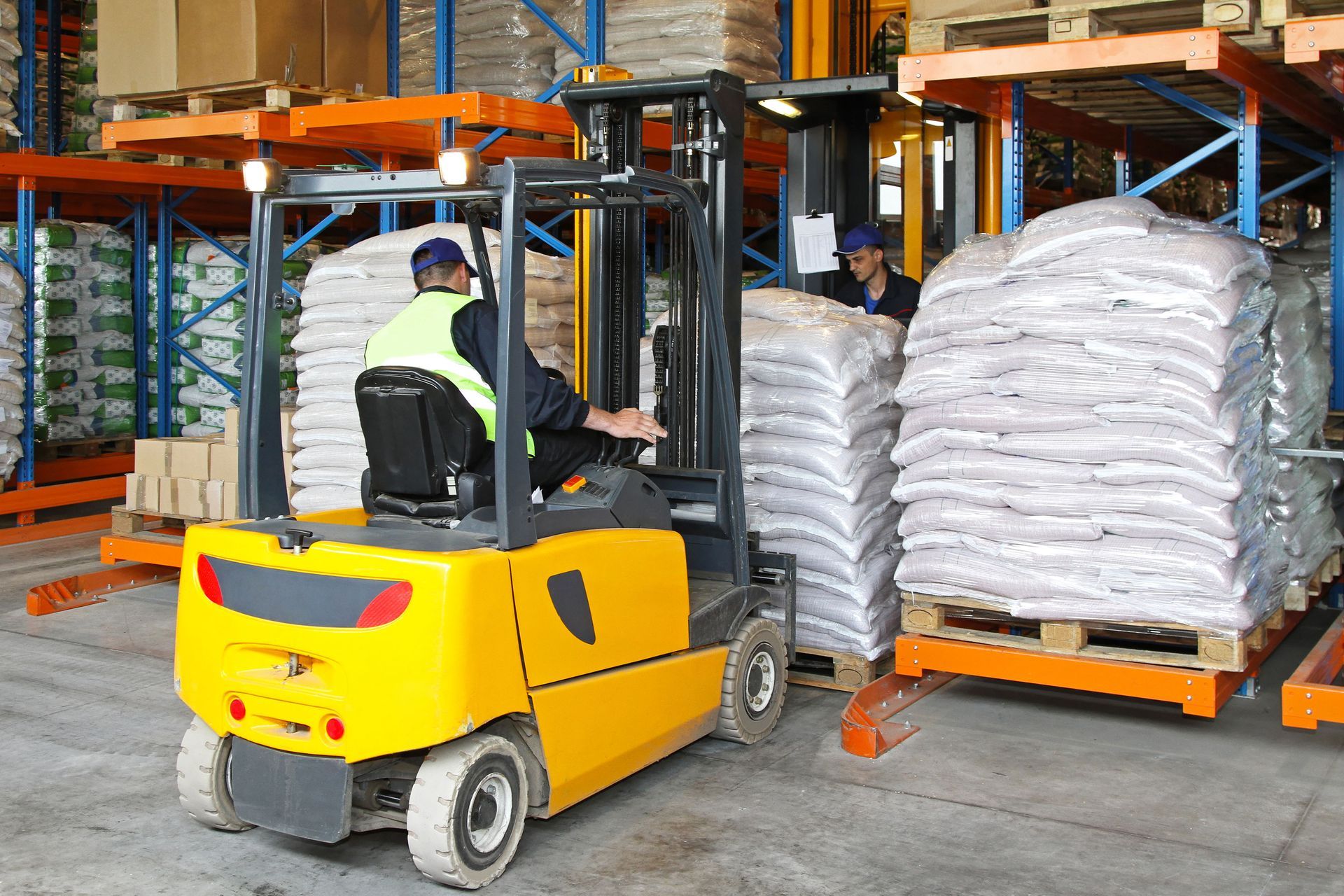
In modern warehousing, real estate is expensive, which has led many operators to shrink their aisle widths to maximize vertical storage density. Standard forklifts simply cannot turn or navigate in these tight corridors. This is where narrow aisle forklifts, such as reach trucks and order pickers, become essential. These highly specialized machines are designed to operate in aisles as narrow as eight feet, lifting pallets to incredible heights with extreme precision. They are an exceptional candidate for temporary forklift rental options when your business experiences a sudden seasonal inventory surge and needs to optimize every square inch of high-rack storage space.
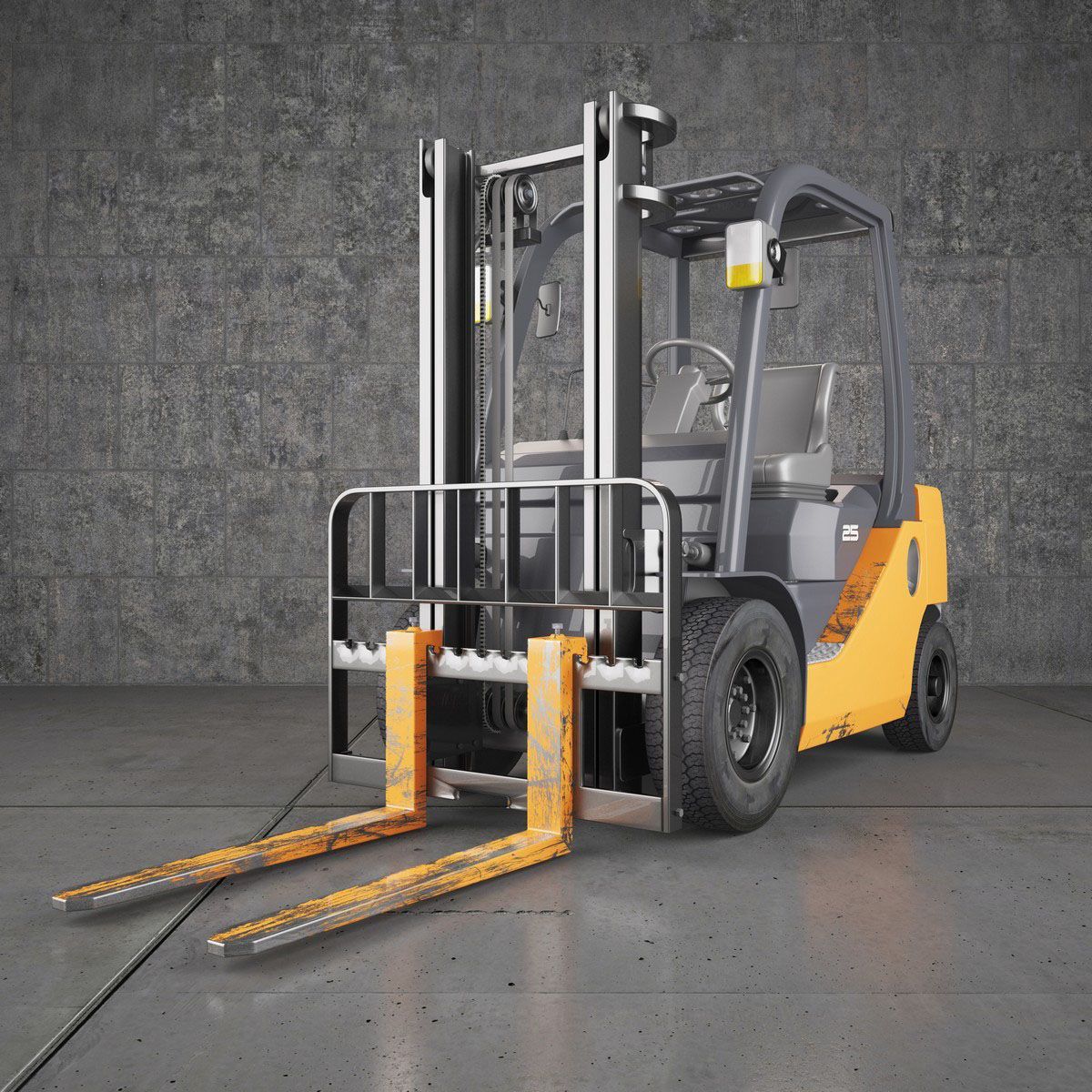
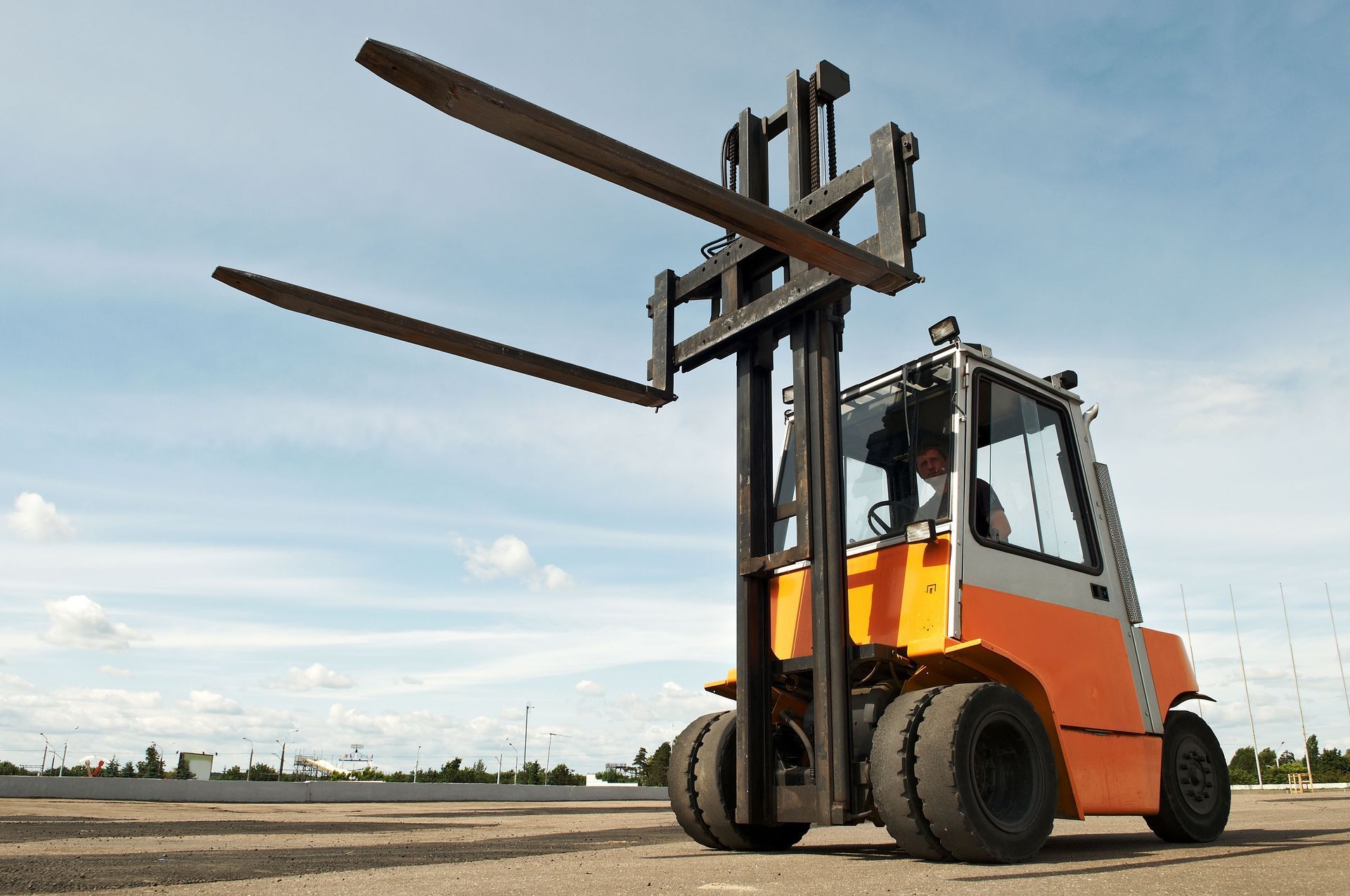
According to CertifyMe.net, forklifts maintain balance through built-in counterweights, which are commonly in the 3,000 to 5,000 lbs range. This heavy rear weight is absolutely vital for rough terrain units, ensuring the vehicle remains balanced and stable even when lifting massive payloads on raw, sloped earth.
Assessing Your Business Needs
Before reaching out to local rental suppliers, you must execute a thorough audit of your operational parameters to make certain you receive the correct machine.
The absolute most critical consideration when pursuing a forklift rental is determining your maximum load weight. Every machine has a rated capacity, and attempting to lift a load that exceeds this limit can cause catastrophic tip-overs or structural damage. Always calculate the weight and physical dimensions of your heaviest typical payload to ensure the counterweight system can handle it safely.
You must assess where the machine will physically operate. Will it stay strictly indoors on polished concrete, venture outside onto rough asphalt, or work in a cold-storage freezer? The answer dictates whether you need clean electric power, non-marking tires, or heavy-duty outdoor diesel power.
Measure the highest shelf, rack, or truck bed your forklift will need to reach. Ensure you account for "free lift"—the height the forks can rise before the mast extends upward—which is critical if you are operating under low warehouse ceilings or inside shipping containers.
Under OSHA regulations, forklift operators must be fully trained and certified for the specific class of vehicle they are using. Ensure your staff has the proper, up-to-date credentials before the rented machine arrives on your job site.
Determine the exact timeline of your project. If you only need a machine for a brief, well-defined task, a short-term contract is perfect, whereas a long-term contract is ideal for ongoing, predictable operational needs.
Exploring Rental Options and Contracts
Understanding the structure of commercial rental agreements helps prevent unexpected charges and optimizes your equipment budget.
Short-term agreements (daily, weekly, or monthly) offer maximum flexibility for temporary projects, emergency equipment replacements, or handling sudden seasonal spikes, making them a highly versatile forklift rental path. In contrast, long-term leases (six months to several years) offer substantially lower daily rates and highly predictable monthly operating costs.
Commercial equipment contracts contain crucial terms regarding maintenance, transport, and liability. Pay close attention to who pays for daily wear-and-tear items, such as hydraulic fluids, tire replacements, and hose repairs.
Because forklifts are incredibly heavy machines, they cannot be driven on public roads. They require specialized flatbed transport. Ensure your rental quote explicitly details the pickup and delivery fees to avoid unexpected transport invoices.
Most standard rental rates are based on a single-shift work week (typically 8 hours a day, 40 hours a week). If your crew runs double shifts, you will accumulate additional hourly run-time surcharges. Always communicate your expected shift schedules with your provider beforehand.
Ensure your business general liability insurance covers rented heavy machinery. This protects your company against accidental property damage, equipment theft, or workplace injuries involving the rented machinery.
Preparing for Forklift Delivery and Operation
A successful forklift rental relies on careful preparation before the machine arrives on-site. Clean all pathways, remove debris that could puncture tires, and establish clear pedestrian safety boundaries.
When the transport truck arrives, conduct a rigorous joint physical inspection of the forklift with the delivery driver. Document any pre-existing scratches, tire wear, or hydraulic leaks on the delivery ticket to protect your business from liability.
Train your crew to perform mandatory pre-start safety inspections every single day. Checking fluid levels, inspecting mast chains, verifying backup alarms, and testing the brakes before beginning a shift ensures operational safety.
Set up a dedicated, well-ventilated area for refueling propane tanks or charging heavy electric batteries. This keeps the machine running efficiently and prevents hazardous fumes from accumulating.
When the forklift is not in use, ensure it is parked on a level surface with the forks lowered to the ground, the brake set, and the keys secured in a locked box to prevent unauthorized use.
Managing Rental Costs and Maximizing ROI
Arrange for the forklift to arrive exactly when your materials are scheduled to land, and call for pickup the moment your task is complete to avoid paying for idle machinery.
Many professional rental yards include comprehensive preventative maintenance in their rental packages. Utilizing these services ensures your machine receives expert care, reducing the likelihood of unexpected operational downtime.
Regularly review your usage metrics. If you find a rented machine is sitting unused for days at a time, it may be more economical to restructure your operations or swap to a smaller, more versatile machine class.
If you operate multiple facilities or require several machines, ask your supplier about volume discounts, which can substantially lower your overall equipment expenditures.
Choosing a supplier with a local equipment yard minimizes transportation distances, resulting in lower delivery fees and much faster support if a machine requires physical service.
Renting a professional forklift is an exceptionally smart, low-risk strategy that empowers businesses to handle complex material logistics without the burdens of ownership. By understanding the specific machinery available, planning your facility's physical requirements, and negotiating a transparent contract, you can dramatically boost your project's efficiency. When you are ready to secure top-tier equipment backed by professional customer support, partnering with a trusted provider like TRS Equipment LLC for your next forklift rental is the ultimate way to keep your projects moving forward smoothly, safely, and on budget.