October 10, 2026
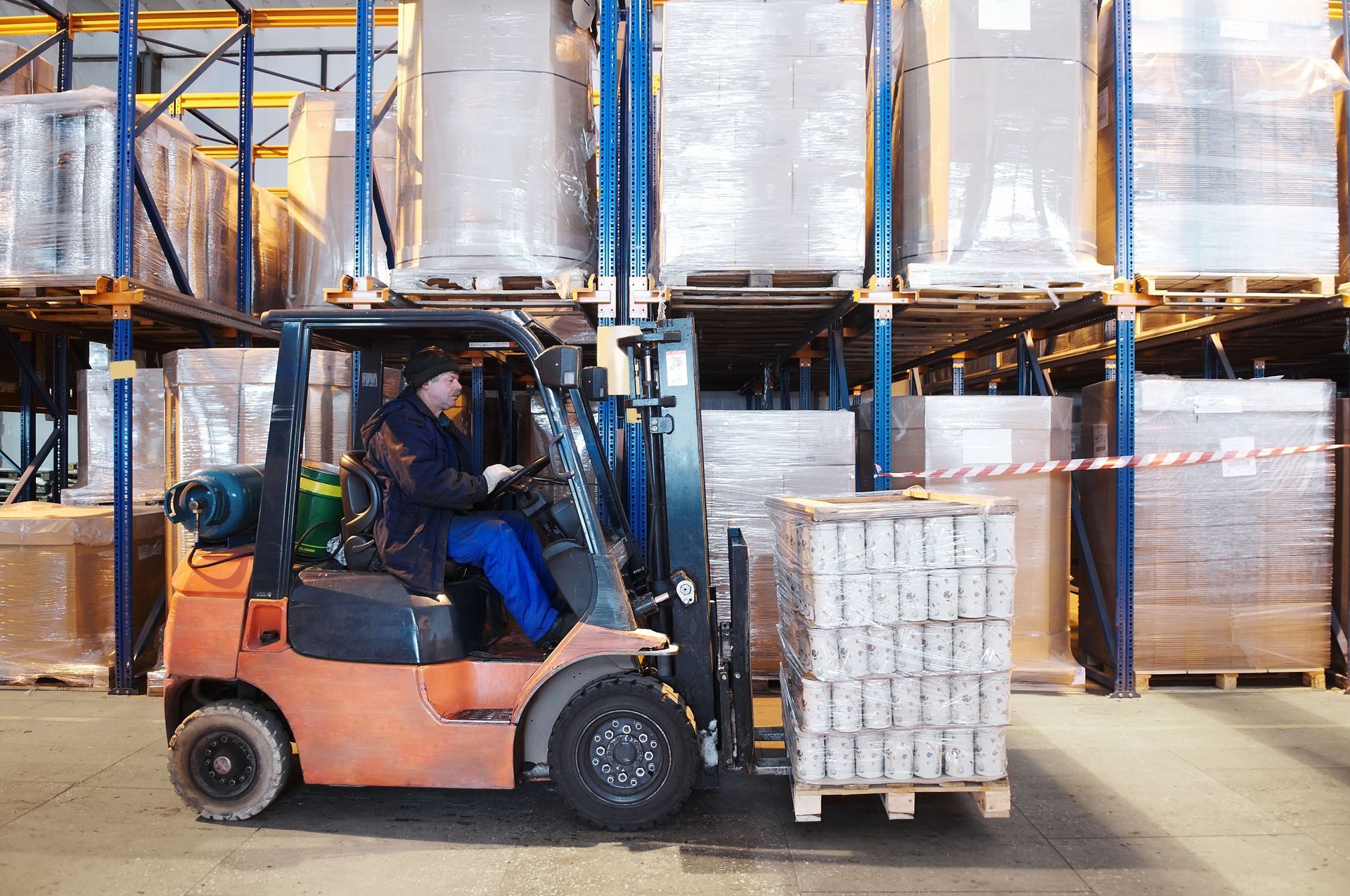
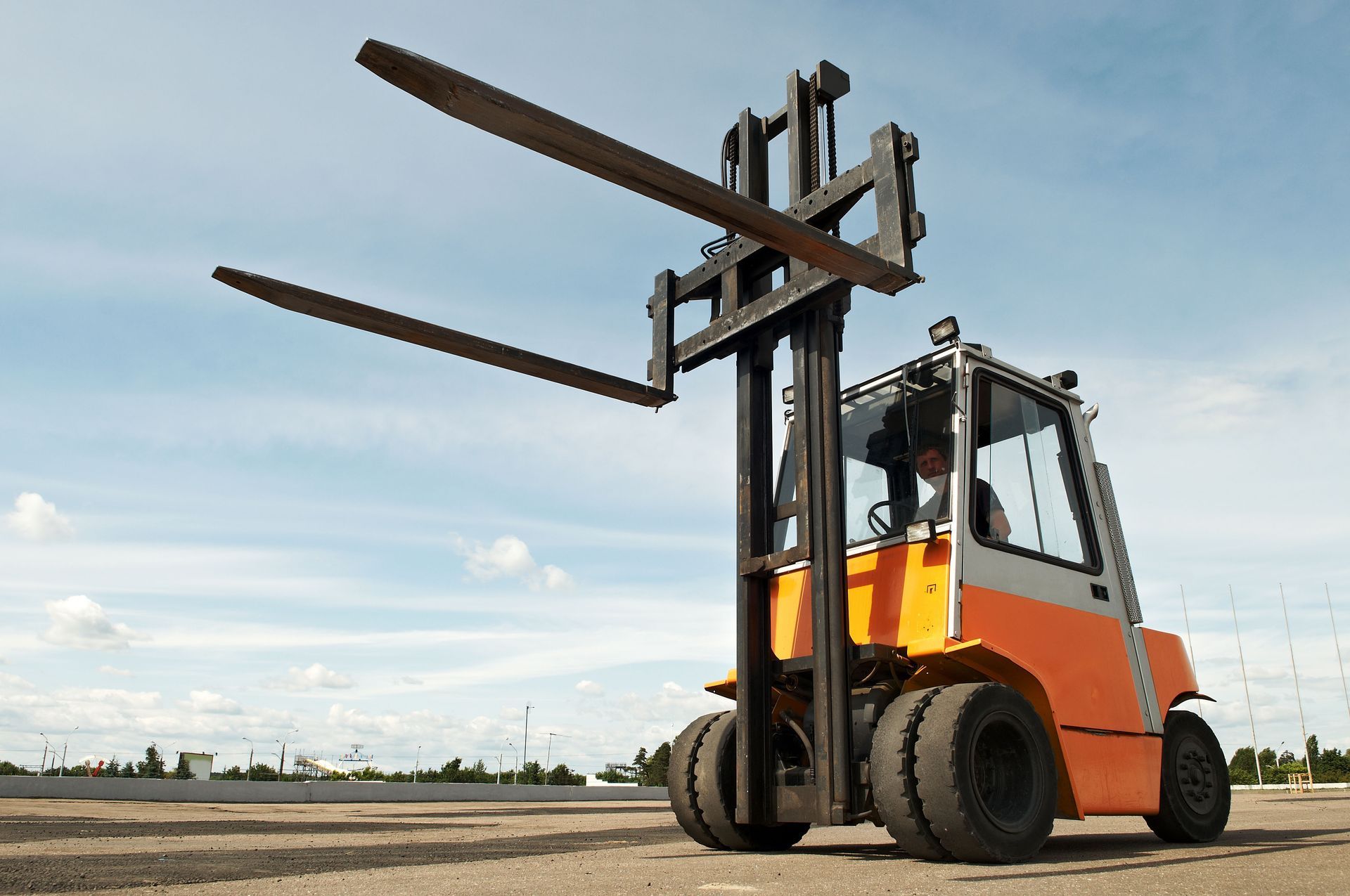
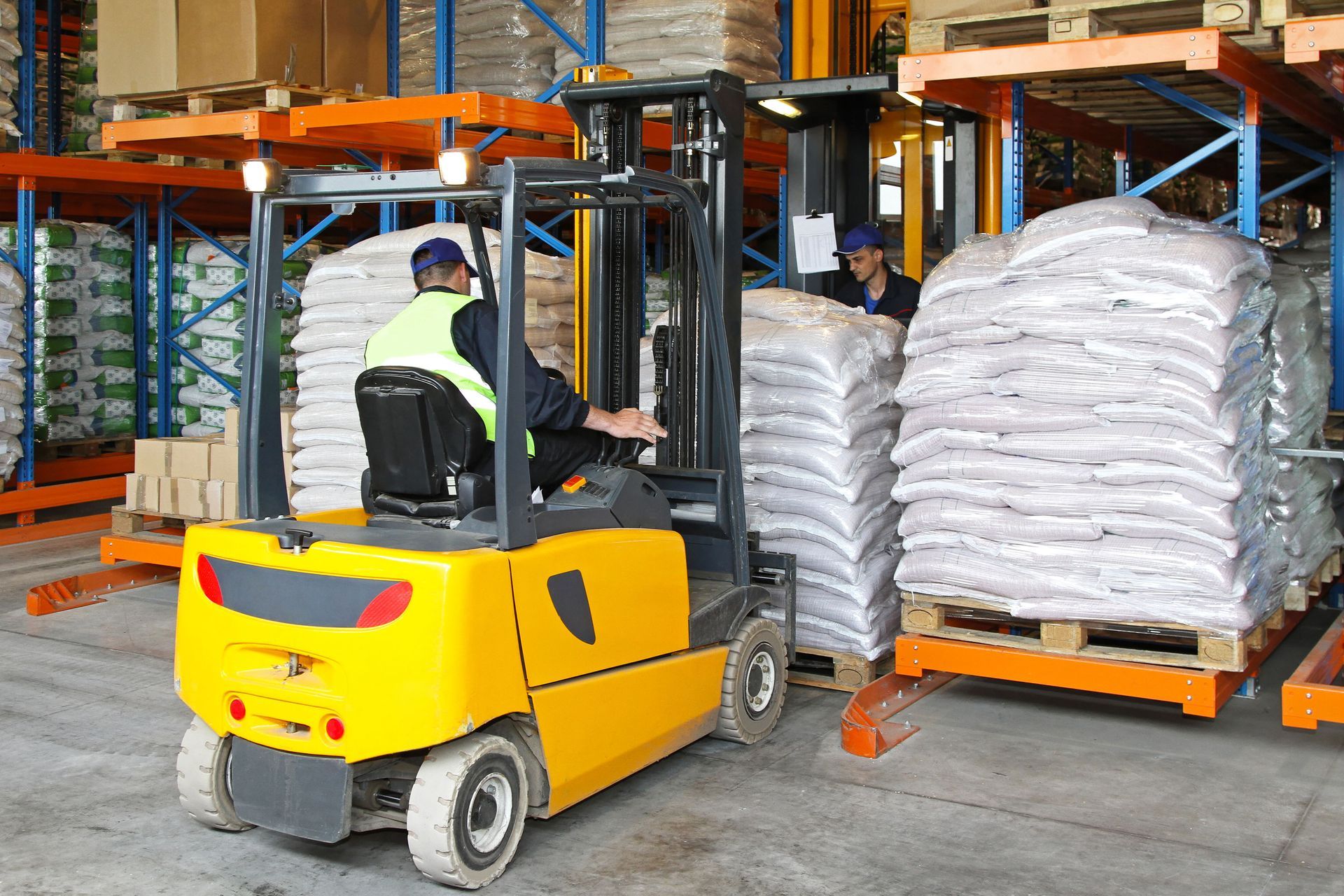
Buying material handling equipment is a significant investment for any warehouse, distribution center, or industrial facility. When expanding a fleet or replacing aging machinery, decision-makers face a critical choice: purchasing brand-new equipment or opting for pre-owned models. Finding the right fork lift for sale requires balancing immediate operational needs, long-term financial planning, and specific job site requirements.
Both new and used machinery offer distinct advantages. Understanding how each option aligns with facility workflows, usage intensity, and budgetary goals ensures a well-informed capital expenditure.
Evaluating Key Factors in Equipment Selection
Navigating the market for industrial machinery involves looking beyond the initial price tag. Buyers must assess total cost of ownership, operational demands, and technological requirements before making a final commitment.
Assessing Operational Demands and Usage Intensity
The primary consideration when choosing machinery is how frequently and intensely it will operate. High-throughput facilities running multiple shifts daily often require max-capacity performance with minimal downtime. In these heavy-duty environments, pristine machinery minimizes the risk of unexpected operational halts.
Conversely, facilities with lower daily usage hours or single-shift operations can achieve excellent productivity with pre-owned equipment. If a machine is only needed for intermittent loading, unloading, or occasional material transport, investing in a high-hour pre-owned unit provides strong utility without tying up unnecessary capital.
Calculating Total Cost of Ownership
The purchase price represents only a fraction of the total expenditure associated with industrial machinery. Total cost of ownership encompasses ongoing maintenance, fuel efficiency, operator training, and eventual resale value.
While a pre-owned fork lift for sale offers an attractive upfront entry price, it may require more frequent scheduled servicing as components age. On the other hand, new machinery commands a higher upfront cost but benefits from fresh components, optimal fuel efficiency, and predictable routine maintenance schedules. Evaluating lifetime operational costs provides a clearer picture of true value than looking at the purchase price alone.
Examining Equipment History and Historical Context
Material handling equipment has evolved dramatically over time, adapting to changing industrial standards and technological advancements. According to Fork Lift Certification, the early origins of modern forklifts trace back to the 1920s. Over the subsequent decades, structural engineering, safety standards, and powertrain efficiency have continuously advanced.
When evaluating a pre-owned fork lift for sale, examining complete service records and operational history is critical. A well-documented maintenance log reveals whether the machine underwent regular inspections, fluid changes, and timely component replacements. Knowing how many hours the hour meter has recorded, along with the environment in which the machine previously operated, helps predict future reliability and maintenance requirements.
Analyzing the Advantages of New Machinery
Investing in factory-fresh equipment brings the latest engineering, enhanced ergonomic design, and maximum operational efficiency to a fleet.
Utilizing Modern Technology and Features
New equipment integrates the latest advancements in telematics, battery tech, and engine efficiency. Electric models benefit from advanced lithium-ion battery integration, allowing for faster charging cycles and longer operational windows between charges. Internal combustion models feature modern engine designs that lower emissions and reduce fuel consumption.
Additionally, modern ergonomic designs improve operator comfort and reduce fatigue. Features such as adjustable seating, intuitive joystick controls, responsive power steering, and enhanced visibility masts contribute to safer and more efficient material handling operations throughout long shifts.
Minimizing Unscheduled Maintenance Interruptions
Unplanned downtime severely impacts warehouse efficiency and supply chain schedules. New machinery offers peak reliability, as every hydraulic hose, tire, electrical connector, and mechanical component begins at zero operating hours.
With predictable maintenance needs, facility managers can structure routine servicing around slow operational periods. This reliability ensures that daily order fulfillment, pallet stacking, and loading dock activities run smoothly without unexpected machinery failures.
Analyzing the Advantages of Used Machinery
Pre-owned inventory presents a compelling option for businesses looking to expand operational capacity while keeping capital expenditures manageable.
Maximizing Capital Efficiency and Acquisition Speed
The most immediate benefit of acquiring a pre-owned fork lift for sale is capital preservation. Lower upfront costs allow businesses to allocate financial resources toward other critical operational areas, such as facility expansion, inventory procurement, or staff development.
In addition to financial savings, acquisition timelines are often significantly shorter for pre-owned equipment. When a facility experiences a sudden spike in demand or an unexpected surge in inventory, purchasing available pre-owned units allows managers to integrate equipment into operations almost immediately, avoiding long factory build times.
Selecting From Diverse Fleet Inventory Options
The pre-owned market features a broad selection of configurations, lift capacities, mast heights, and fuel types. Whether a facility requires a specialized narrow-aisle reach truck, an electric order picker, or a heavy-duty outdoor pneumatic model, browsing pre-owned inventory offers access to a wide variety of operational configurations.
When searching for a versatile fork lift for sale, buyers can compare various mast types—such as standard two-stage or full-free triple-stage masts—to match exact ceiling heights and rack clearances. Access to a wide selection makes finding a machine tailored to specific warehouse specifications straightforward.
Reviewing Technical Specifications and Operational Environments
Matching machine capabilities to environmental requirements prevents operational bottlenecks and safety hazards in the workplace.
Matching Fuel Types to Facility Layouts
The choice between electric, liquid propane gas (LPG), diesel, or gasoline engines depends heavily on the operational environment. Indoor facilities, such as food processing centers, cold storage units, and enclosed distribution hubs, require zero-emission electric machinery to preserve indoor air quality and adhere to safety standards.
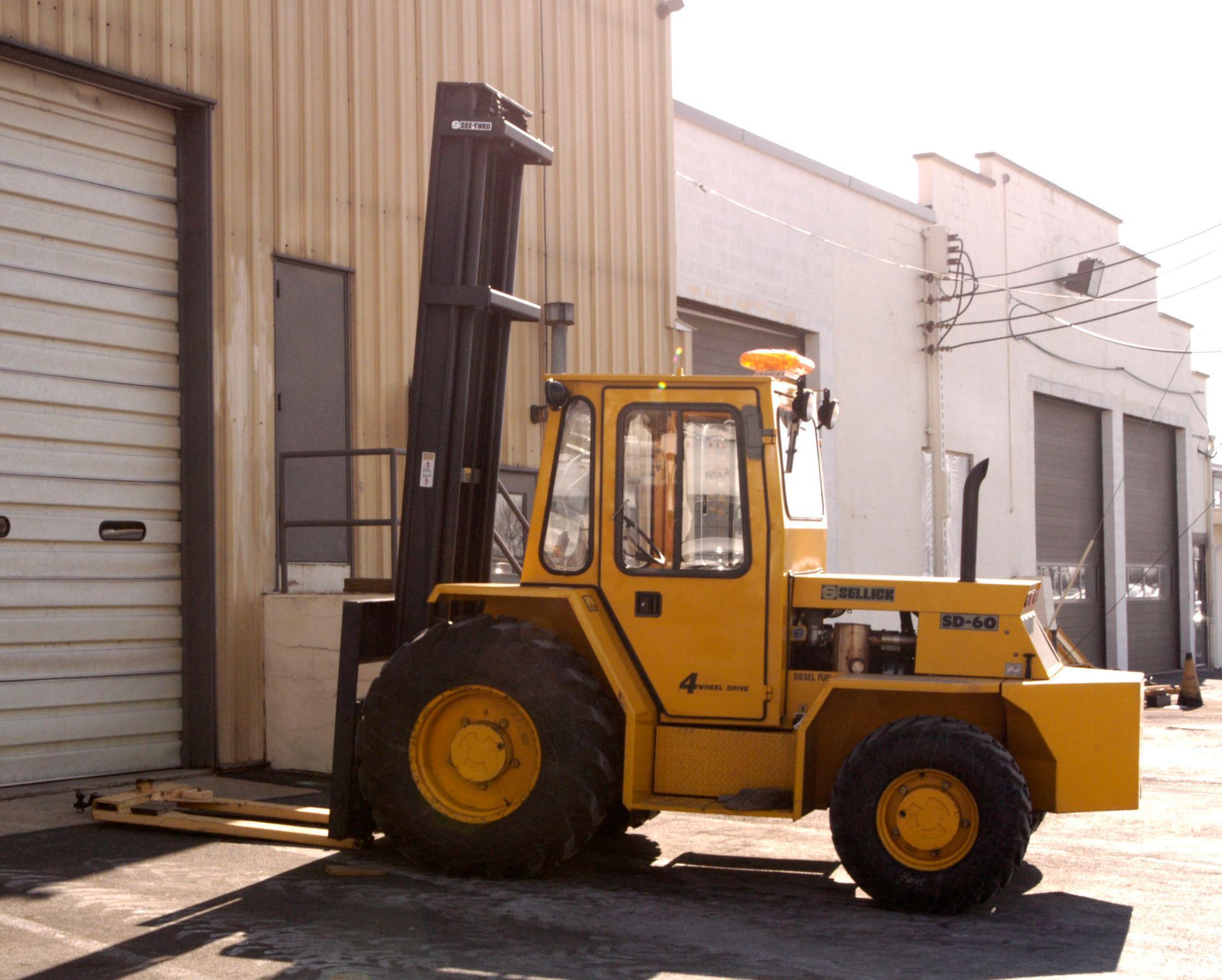
For outdoor lumber yards, construction sites, and open storage spaces, internal combustion models powered by LPG or diesel offer high torque, superior ground clearance, and rapid refueling capabilities. Choosing the correct fuel platform ensures high performance while maintaining compliance with indoor air requirements.
Determining Capacity Requirements and Mast Lift Heights
Overestimating or underestimating capacity needs leads to operational inefficiencies. Operating capacity must exceed the maximum weight of the heaviest anticipated load, accounting for load centers and attachments.
Furthermore, mast height specifications must align with overhead clearances, door frames, and top-shelf storage racks. Considering maximum lift heights alongside collapsed mast heights ensures the machine navigates doorway transitions without obstruction while reaching the upper levels of high-bay storage racks.
Inspecting Machinery Before Final Acquisition
Conducting a thorough physical and operational evaluation ensures that any acquired machine performs reliably under daily workload demands.
Performing Visual and Mechanical Component Checks
Before finalizing the selection of a pre-owned fork lift for sale, a detailed visual inspection should be conducted. Key components to inspect include:
- Hydraulic Systems: Inspect cylinders, hoses, and valves for leaks, weeping fluid, or loss of hydraulic pressure.
- Mast and Chains: Check mast rails for excessive wear, structural distortion, or play, and ensure lift chains maintain proper tension and lubrication.
- Forks and Attachments: Inspect fork blades for cracks, heel wear, or bending beyond allowable tolerances.
- Tires and Chassis: Evaluate tire tread depth, chunking on solid rubber tires, or uneven wear patterns on pneumatic tires that indicate alignment issues.
- Operator Cab: Test seat belts, horn function, backup alarms, overhead guards, and digital display panels to confirm full operational functionality.
Conducting Operational Tests Under Load Conditions
An operational test drive reveals details about a machine's mechanical condition that visual inspections might miss. Testing the machinery under realistic load conditions evaluates responsiveness, steering control, braking efficiency, and smooth hydraulic lift operations.
Listening for unusual engine noise, checking transmission engagement, and testing tilt and side-shift functionalities under load confirm that the machine handles heavy material securely and smoothly.
Selecting material handling machinery requires balancing upfront acquisition budgets with long-term operational expectations. Buying new machinery delivers modern technological integration, maximum fuel efficiency, and minimal maintenance concerns, making it ideal for intensive, multi-shift operations. Conversely, selecting a pre-owned
fork lift for sale offers capital flexibility, rapid delivery, and strong operational value for single-shift or moderate-use applications. To explore a wide selection of quality material handling machinery tailored to your facility's operational needs, contact the knowledgeable team at TRS Equipment LLC today.