April 13, 2026
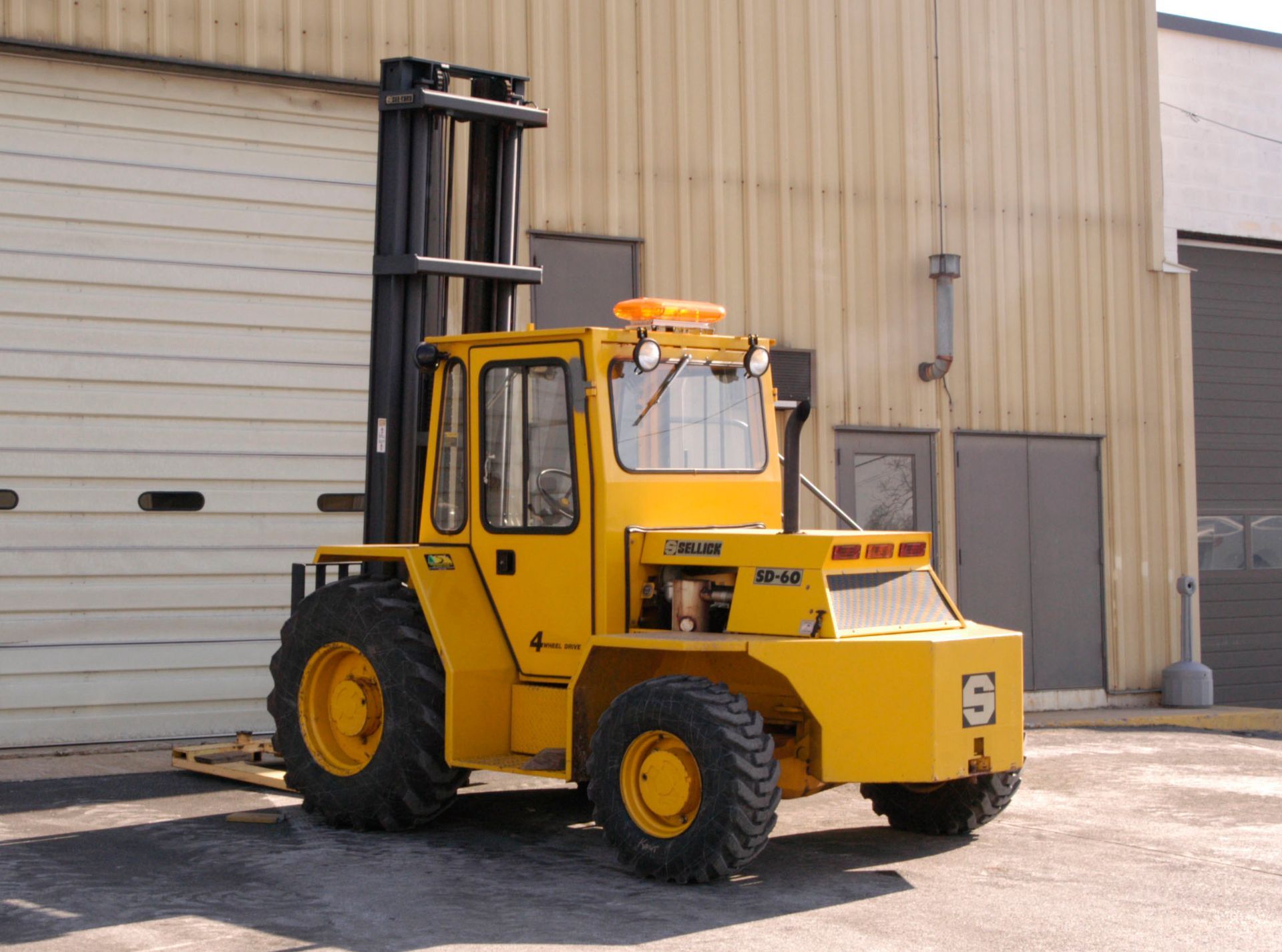
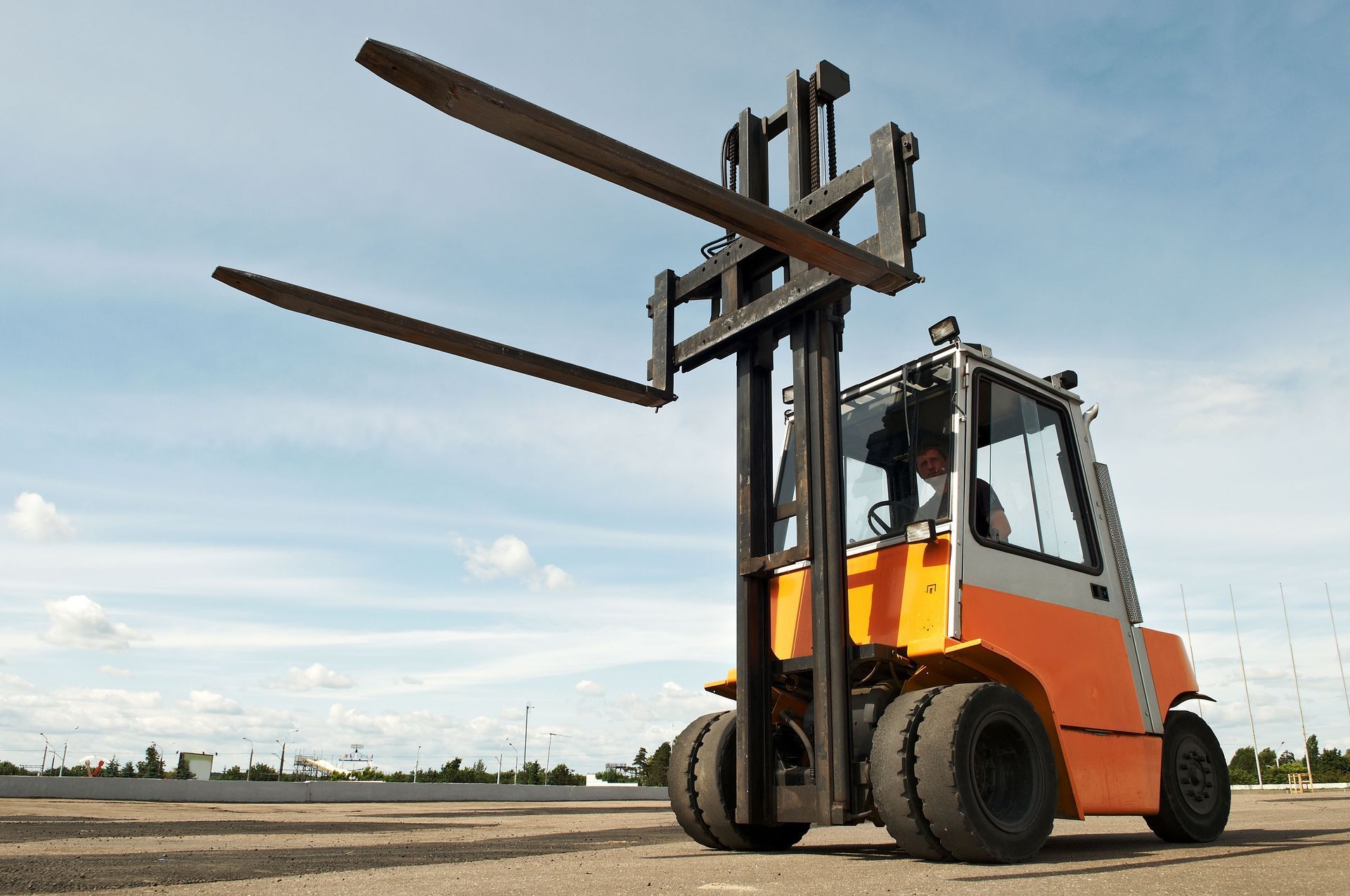
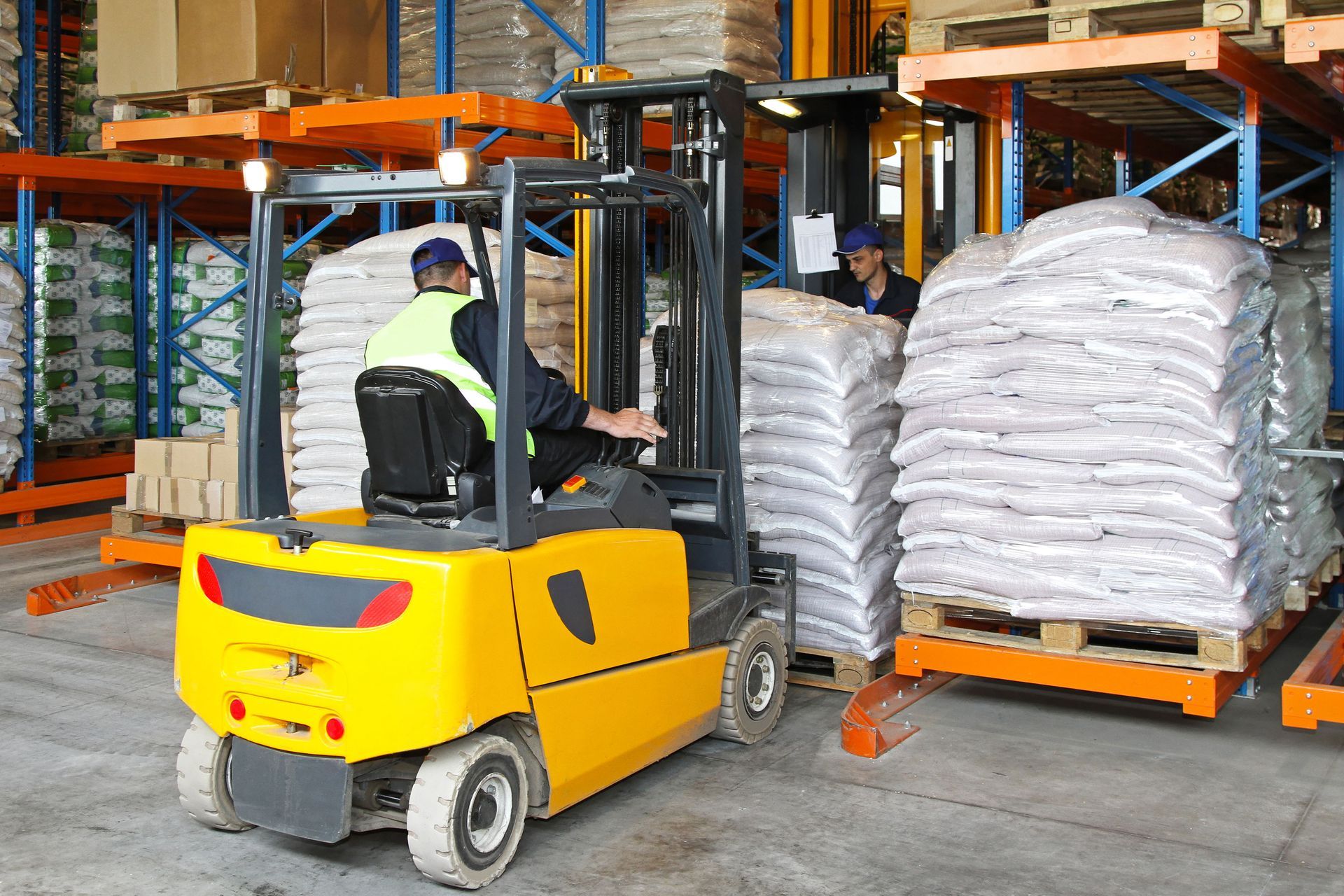
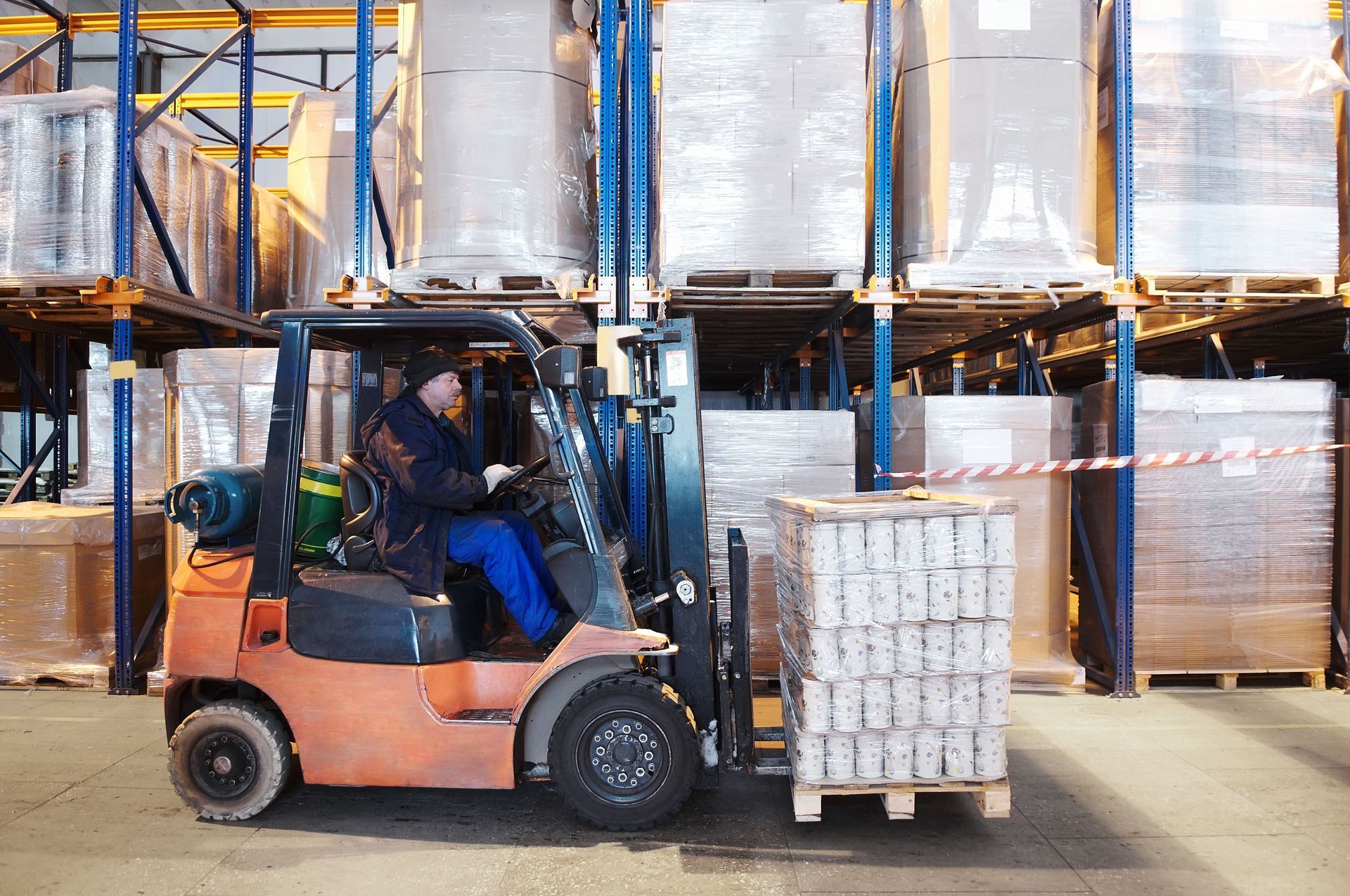
Construction, landscaping, and property improvement projects often require specialized equipment to complete tasks efficiently. From excavators and skid steers to power tools and compact loaders, having the right equipment can significantly affect the speed and success of a project. While purchasing equipment may seem like a practical long-term investment, many businesses and property owners are discovering that renting equipment offers greater flexibility and financial advantages.
Equipment ownership comes with responsibilities that extend beyond the initial purchase price. Storage, maint
enance, repairs, and transportation all contribute to the overall cost of owning machinery. For companies that only need certain equipment occasionally, buying equipment may not be the most practical option.
Equipment rental has become a popular solution because it allows businesses and contractors to access the tools they need without committing to full ownership. Rental providers maintain equipment, manage servicing, and offer a wide selection of machines for different projects. In many industries, this flexibility helps companies remain competitive while managing costs more effectively.
Another reason rental services continue to grow in popularity is the changing nature of project work. Many companies operate on project-based schedules where equipment needs vary from job to job. Renting allows businesses to respond quickly to these changing demands without the long-term commitments associated with ownership. In this article, we will explore several reasons why renting equipment can make more sense than buying it outright.
Lower Upfront Costs and Better Budget Control
One of the most obvious advantages of renting equipment is the reduced upfront cost. Purchasing heavy equipment often requires a large financial investment, which can place pressure on a company’s budget or limit available capital for other priorities.
Equipment rental allows businesses to pay only for the equipment they need during a specific project timeframe. This approach helps companies control expenses and allocate funds toward other operational needs, such as labor, materials, or project planning.
By working with local equipment rental companies, businesses can select machines that match their project requirements without committing to long-term ownership costs. This flexibility is particularly valuable for smaller companies or contractors who may not need certain equipment on a regular basis.
Instead of tying up capital in expensive machinery that may sit unused between projects, renting allows businesses to maintain financial flexibility while still accessing high-quality equipment. This financial efficiency can also make it easier for companies to take on new projects without worrying about large equipment investments.
Access to Modern and Specialized Equipment
Another benefit of renting equipment is the ability to access newer and more advanced machinery. Construction and landscaping equipment continue to evolve with improved technology, safety features, and efficiency improvements.
Companies that purchase equipment often keep it for many years in order to recover the initial investment. Over time, that equipment may become outdated or less efficient compared to newer models.
Local equipment rental companies frequently update their inventory to include modern machines that meet current industry standards. Renting allows businesses to use these updated tools without the long-term commitment of ownership.
In addition, many projects require specialized equipment that may only be used occasionally. Renting makes it easier to obtain these machines for short-term use rather than purchasing equipment that may rarely be used again.
Access to modern equipment helps improve productivity while reducing the need for businesses to manage large equipment inventories. Companies can also test different machines through rentals before deciding whether a long-term purchase is necessary.
Reduced Maintenance and Repair Responsibilities
Owning heavy equipment requires ongoing maintenance to keep machinery operating safely and efficiently. Routine servicing, parts replacement, and unexpected repairs can quickly add to the cost of ownership.
Equipment owners must also invest time and resources into managing maintenance schedules and repairs. These responsibilities can become especially challenging for businesses that operate multiple pieces of machinery.
Renting equipment eliminates many of these concerns. Rental providers typically handle maintenance and servicing to confirm that machines are ready for safe operation. If equipment experiences mechanical issues, rental companies often provide replacements or repairs as part of the rental agreement.
Working with local equipment rental companies allows businesses to focus on completing their projects rather than managing equipment maintenance. This convenience can significantly reduce downtime and improve overall efficiency on job sites. In many cases, rental providers also inspect equipment before each rental period, helping confirm that machines are functioning properly before they arrive on site.
Flexibility for Different Project Needs
Not every project requires the same type of equipment. Construction, landscaping, and infrastructure work often involve different tasks that require different machines. Purchasing equipment for every possible scenario can lead to unnecessary expenses and storage challenges.
Equipment rental offers flexibility by allowing businesses to choose the right machine for each specific job. For example, a contractor might need a compact skid steer for one project and a mini excavator for another.
Local equipment rental companies provide access to a wide range of machinery that can be selected based on the requirements of each project. This flexibility allows businesses to adapt quickly as project demands change.
Instead of maintaining a large fleet of equipment that may not always be used, renting allows businesses to scale their equipment usage according to their workload. This adaptability is especially helpful for growing companies that may experience fluctuating project volumes throughout the year.
Environmental Benefits of Equipment Sharing
Equipment rental can also support environmental sustainability by reducing the need for excessive machinery production and storage. When multiple businesses share rental equipment, fewer machines need to be manufactured overall.
According to WebFX, renting heavy equipment reduces total carbon footprint by 30% to 50%. This reduction occurs because shared equipment lowers manufacturing demands and promotes more efficient use of existing machinery.
Rental providers often maintain their equipment carefully, which helps extend the lifespan of each machine and reduce unnecessary waste. By keeping equipment in good working condition, rental companies help maximize the usefulness of each piece of machinery. Businesses that choose rental options can contribute to these environmental benefits while still accessing the tools they need for successful project completion.
Eliminating Storage and Transportation Challenges
Owning heavy equipment requires secure storage facilities to protect machines from weather, theft, and damage. These storage spaces may require additional land, buildings, or security systems to keep equipment safe.
Transportation can also present logistical challenges. Large machines often require specialized trailers and vehicles to move them between job sites.
Local equipment rental companies often simplify these logistics by offering delivery and pickup services. Instead of maintaining storage areas or transportation fleets, businesses can arrange for equipment to arrive when it is needed and be removed once the project is complete. This convenience reduces the burden of equipment management and allows businesses to focus on project planning and execution.
Choosing between purchasing and renting equipment depends on the needs and resources of each business. However, many companies find that equipment rental offers significant advantages in terms of cost, flexibility, and efficiency.
By avoiding large upfront investments, businesses can maintain stronger financial flexibility while still accessing the equipment required for their projects. Renting also provides access to modern machinery, reduces maintenance responsibilities, and allows companies to select the right equipment for each specific job.
Working with reliable local equipment rental companies makes it easier to obtain specialized tools, manage project timelines, and reduce logistical challenges. Rental services also support environmental sustainability by encouraging shared equipment use and reducing manufacturing demands.
If your next project requires heavy equipment or specialized tools, consider exploring the advantages offered by TRS Equipment LLC. Partnering with an experienced rental provider can help you access the equipment you need while keeping your operations efficient and cost-effective.