June 15, 2026
Buying a forklift is a major investment for any business. Whether you manage a warehouse, construction site, or distribution center, the right forklift can improve efficiency, increase safety, and help daily operations run more smoothly. Choosing the wrong equipment, however, can lead to unnecessary downtime, higher maintenance costs, and frustration for operators.
With so many fork lifts for sale on the market, it is important to understand what features and capabilities truly matter for your operation. Every business has different lifting needs, work environments, and budgets, which is why taking the time to compare options carefully can save money in the long run.
Modern forklifts now offer advanced technology, improved fuel efficiency, and better safety features than ever before. Knowing what to look for before making a purchase helps businesses choose equipment that supports both current demands and future growth.
1. Determining The Right Lifting Capacity
One of the first things to evaluate when reviewing fork lifts for sale is lifting capacity. Every forklift is built to handle a specific amount of weight safely, and choosing the wrong size can create serious operational issues. A forklift that cannot handle your daily loads may struggle with performance, while an oversized machine can increase fuel and maintenance costs.
Start by identifying the average weight your team moves every day. It is also important to account for heavier loads that may occur during busy seasons or larger projects. Planning ahead helps prevent the need for another equipment upgrade sooner than expected.
Lift height also matters when choosing a forklift. Warehouses with tall shelving systems require forklifts capable of safely reaching higher storage areas while maintaining stability. Evaluating both weight and lift requirements helps ensure the forklift will support your workflow efficiently.
2. Assessing The Working Environment
The environment where the forklift operates plays a major role in selecting the right equipment. Indoor facilities often require compact forklifts that can maneuver through narrow aisles and tight spaces. Outdoor environments usually demand larger machines capable of handling rough surfaces and changing weather conditions.
Floor surfaces should also be considered carefully. Smooth warehouse floors typically work well with cushion tires, while outdoor job sites may require pneumatic tires for better durability and traction. Choosing the wrong tire type can lead to faster wear and reduced efficiency.
Climate conditions are another important factor. Businesses operating in extreme temperatures may need forklifts designed specifically for those environments. When comparing fork lifts for sale, always consider where and how the equipment will be used most often.
3. Comparing The Available Power Sources
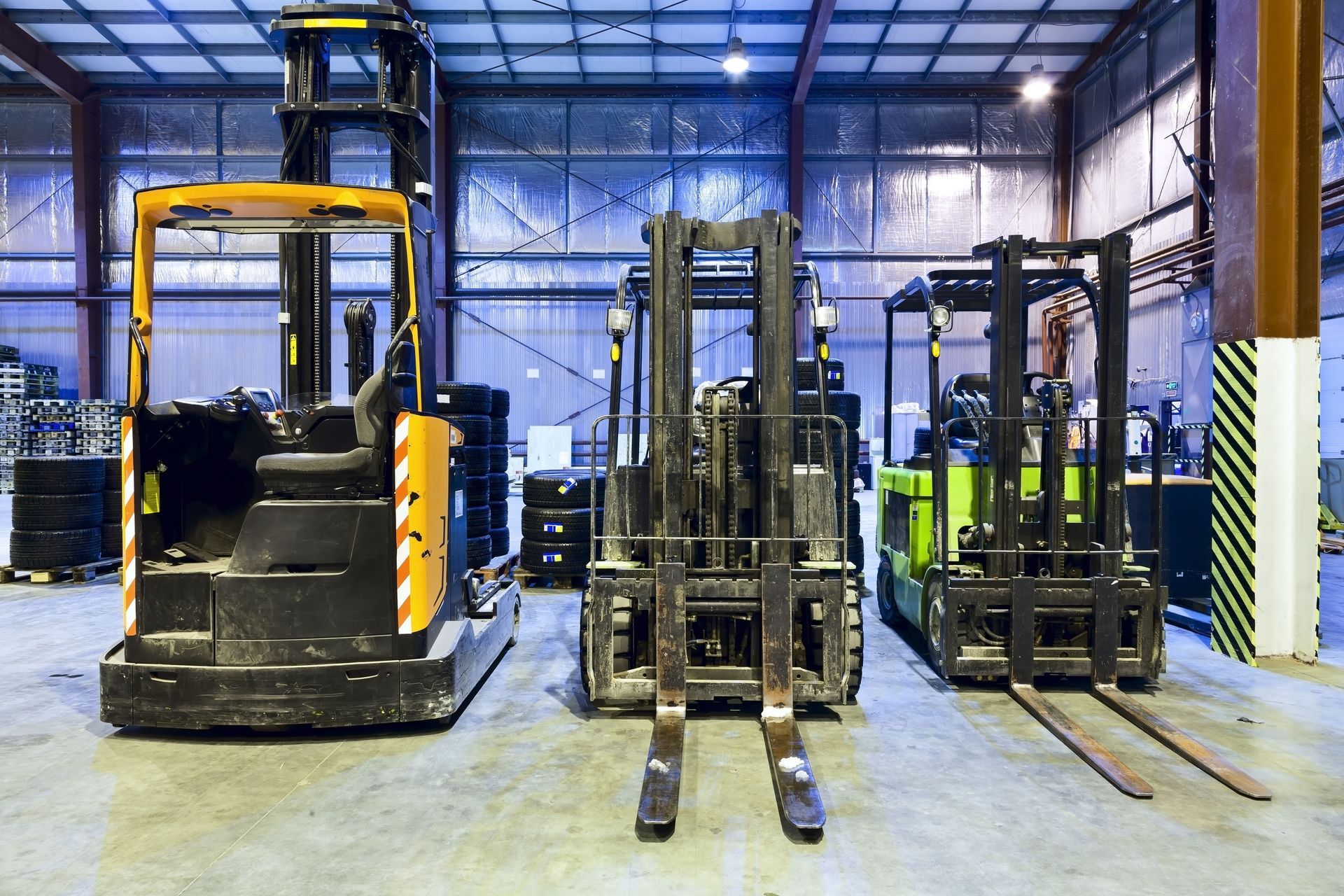
Forklifts are available in electric, diesel, gasoline, and propane models. Each power source offers different advantages depending on your operational needs. Electric forklifts are popular for indoor use because they are quieter, produce no emissions, and typically require less maintenance.
Internal combustion forklifts are often preferred for outdoor operations and heavier workloads. These models generally provide stronger lifting power and can run longer without charging interruptions. Businesses handling demanding tasks may find them more practical for daily operations.
When exploring fork lifts for sale, it is important to think about long-term operating costs as well as upfront pricing. According to Mordor Intelligence, the U.S. forklift industry is expected to grow at nearly 9% annually, with the market projected to exceed $13 billion by 2031. This continued growth reflects how businesses are investing more heavily in efficient and reliable equipment solutions.
4. Prioritizing The Operator Comfort and Safety
Operator comfort can significantly affect productivity and workplace safety. Employees who spend long hours using forklifts benefit from ergonomic seating, adjustable controls, and better visibility. Comfortable operators are often more focused and less likely to experience fatigue-related accidents.
Modern forklifts also include advanced safety features designed to reduce risks in busy work environments. Backup cameras, warning systems, automatic braking, and stability controls are becoming increasingly common across newer models. These features help protect both employees and inventory.
Ease of operation should also be considered when reviewing fork lifts for sale. Forklifts with simple controls and clear visibility can reduce training time and improve operator confidence. Prioritizing safety and comfort often leads to smoother and more efficient operations overall.
5. Evaluating The Technology and Features
Technology is changing the forklift industry in major ways. Many modern forklifts now include telematics systems, performance tracking, and automated diagnostics that help businesses monitor equipment health in real time. These features can help identify maintenance issues before they become expensive repairs.
Some forklifts also integrate with warehouse management systems to improve inventory tracking and workflow efficiency. Businesses handling large volumes of materials may benefit from equipment with these advanced capabilities. Technology-driven features often improve productivity while reducing downtime.
Maintenance tracking systems are another valuable addition. These tools help businesses schedule service at the right intervals and avoid unexpected breakdowns. As more companies compare advanced fork lifts for sale, technology is becoming an increasingly important part of the buying process.
6. Calculating The Total Cost of Ownership
The purchase price is only one part of the total investment when buying a forklift. Fuel costs, maintenance expenses, repairs, and replacement parts all affect long-term ownership costs. Focusing only on upfront pricing can sometimes lead to higher expenses later.
Electric forklifts may cost more initially, but they often offer lower operating costs over time due to reduced maintenance and energy expenses. Combustion-powered forklifts may provide lower purchase prices but require ongoing fuel and service costs that can add up quickly.
It is also smart to consider resale value and expected lifespan before making a purchase. Some forklift brands maintain their value better than others, making future upgrades easier and more affordable. Comparing total ownership costs helps businesses make more informed financial decisions.
7. Researching The Dealer and Support Services
Choosing the right forklift dealer is just as important as choosing the equipment itself. Reliable dealer support can make a major difference when repairs, maintenance, or replacement parts are needed. A trusted dealer should offer knowledgeable guidance and dependable customer service long after the purchase is complete.
Before buying, ask about warranty coverage, maintenance plans, and service response times. Delays in repairs can create costly downtime for businesses that rely heavily on forklift operations. Working with an experienced dealer helps ensure support is available when problems arise.
Many dealers also provide operator training and ongoing maintenance programs. These services help businesses improve safety, extend equipment lifespan, and reduce costly breakdowns. As you compare fork lifts for sale, remember that strong support services add long-term value to your investment.
Buying a forklift requires more than simply choosing the lowest-priced option. Businesses should carefully evaluate lifting capacity, work environment, power source, safety features, technology, ownership costs, and dealer support before making a decision. Taking the time to compare options can lead to better performance, lower expenses, and improved productivity.
As the forklift industry continues to grow, businesses are placing greater importance on equipment that offers long-term reliability and efficiency. Reviewing multiple fork lifts for sale helps ensure you choose equipment that meets both your current operational needs and future business goals.
Whether you are replacing outdated equipment, upgrading your warehouse operations, or expanding your fleet to support business growth, investing in the right forklift can have a major impact on productivity, safety, and long-term operating costs. Taking the time to compare features, evaluate your operational needs, and choose reliable equipment can help your business run more efficiently for years to come. From improving workflow to reducing downtime, the right forklift is an investment that supports both daily performance and future success. For dependable equipment solutions, quality service, and expert guidance throughout the buying process, contact TRS Equipment LLC today.