October 28, 2026
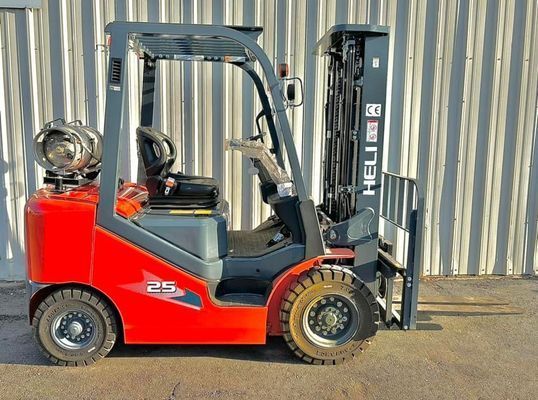
Seasonal changes in warehouse activity can create challenges for businesses that rely on material handling equipment. Retail distribution centers, manufacturing facilities, and logistics operations often experience fluctuating inventory volumes throughout the year. During busy periods, existing equipment may struggle to keep pace with increased shipments, tighter schedules, and additional storage requirements. Purchasing a new fork lift for sale may provide a long-term solution, but ownership is not always necessary when demand increases temporarily. Forklift rentals offer businesses a flexible alternative that allows them to expand equipment availability without committing to permanent fleet additions. Understanding how rentals support seasonal operations helps warehouse managers make informed decisions about productivity, equipment costs, and workplace safety while preparing for changing workloads.
Managing Increased Inventory During Peak Seasons
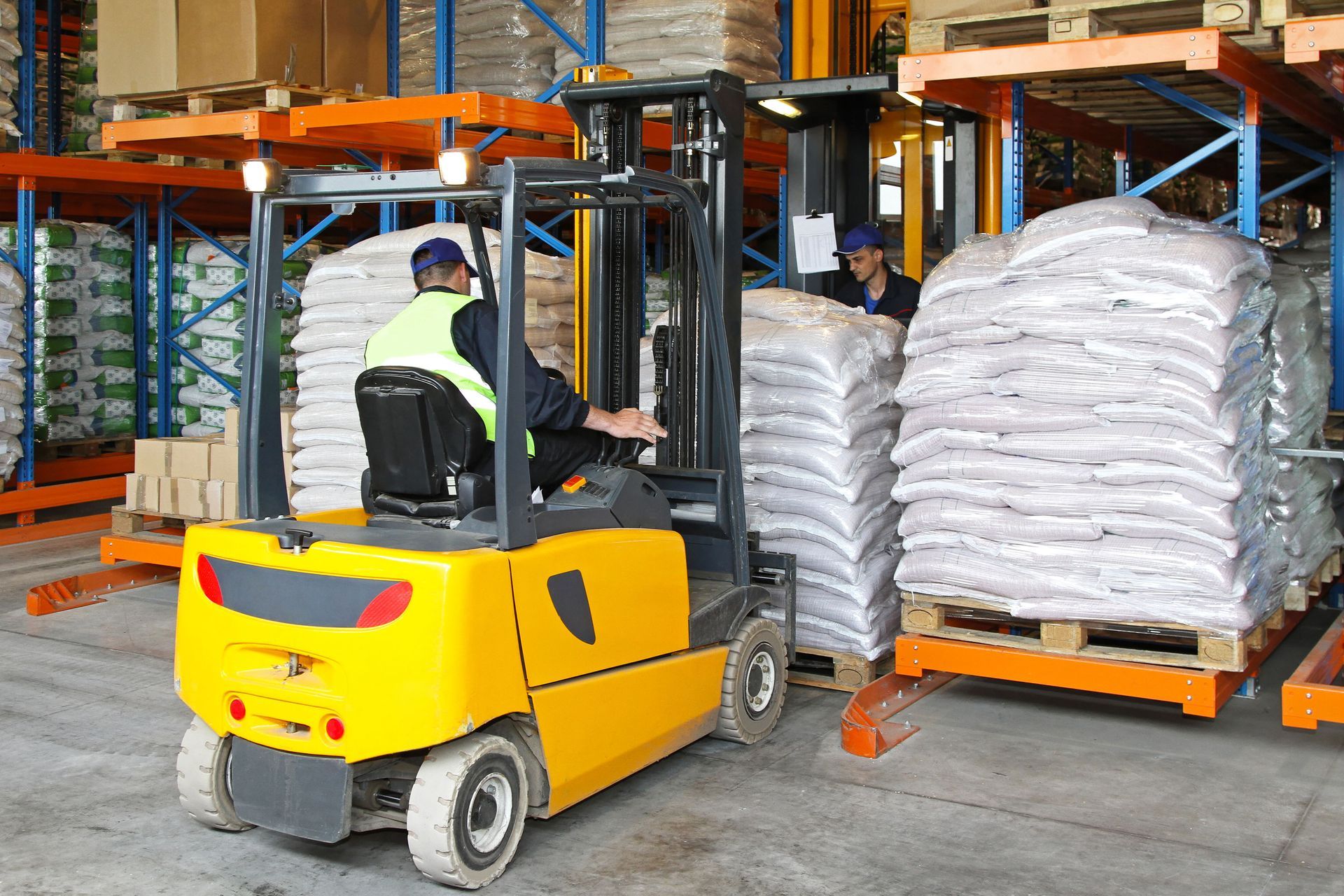
Many warehouses experience substantial inventory increases during holidays, promotional events, and seasonal product launches. Additional merchandise requires receiving, unloading, transporting, and organizing before orders can be processed. When existing forklifts are already operating near capacity, these responsibilities can create delays and interfere with normal warehouse activities. Rental equipment provides additional lifting and transportation capabilities when inventory volumes exceed typical levels. This flexibility helps businesses accommodate temporary increases without permanently expanding their equipment fleets.
Warehouse managers can evaluate expected shipment volumes and determine how many additional forklifts may be necessary. Rental arrangements can be coordinated around anticipated delivery schedules, allowing equipment to arrive before the busiest periods begin. Facilities comparing rentals with a new fork lift for sale should consider whether increased inventory handling represents a recurring requirement or a temporary seasonal challenge. Matching equipment availability to demand helps prevent unnecessary expenses while supporting consistent material movement throughout the facility.
Reducing Equipment Expenses During Slower Periods
Purchasing material handling equipment involves more than the initial acquisition price. Businesses must also consider maintenance, repairs, storage, insurance, and other ownership-related expenses. When a forklift is needed only during several busy months, these ongoing costs may be difficult to justify. Rental arrangements allow businesses to obtain equipment for specific periods without assuming every responsibility associated with long-term ownership. This approach can be useful for warehouses experiencing predictable fluctuations in operational demand.
Rental expenses depend on equipment specifications, rental duration, availability, and contractual terms. Warehouse managers should compare these factors with projected usage before selecting an arrangement. A business considering a new fork lift for sale may discover that purchasing makes more financial sense when equipment is needed consistently throughout the year. However, renting can provide greater flexibility when demand is temporary. Evaluating utilization patterns and operating expenses helps businesses select arrangements that align with their financial priorities.
Improving Material Handling During Shipping Surges
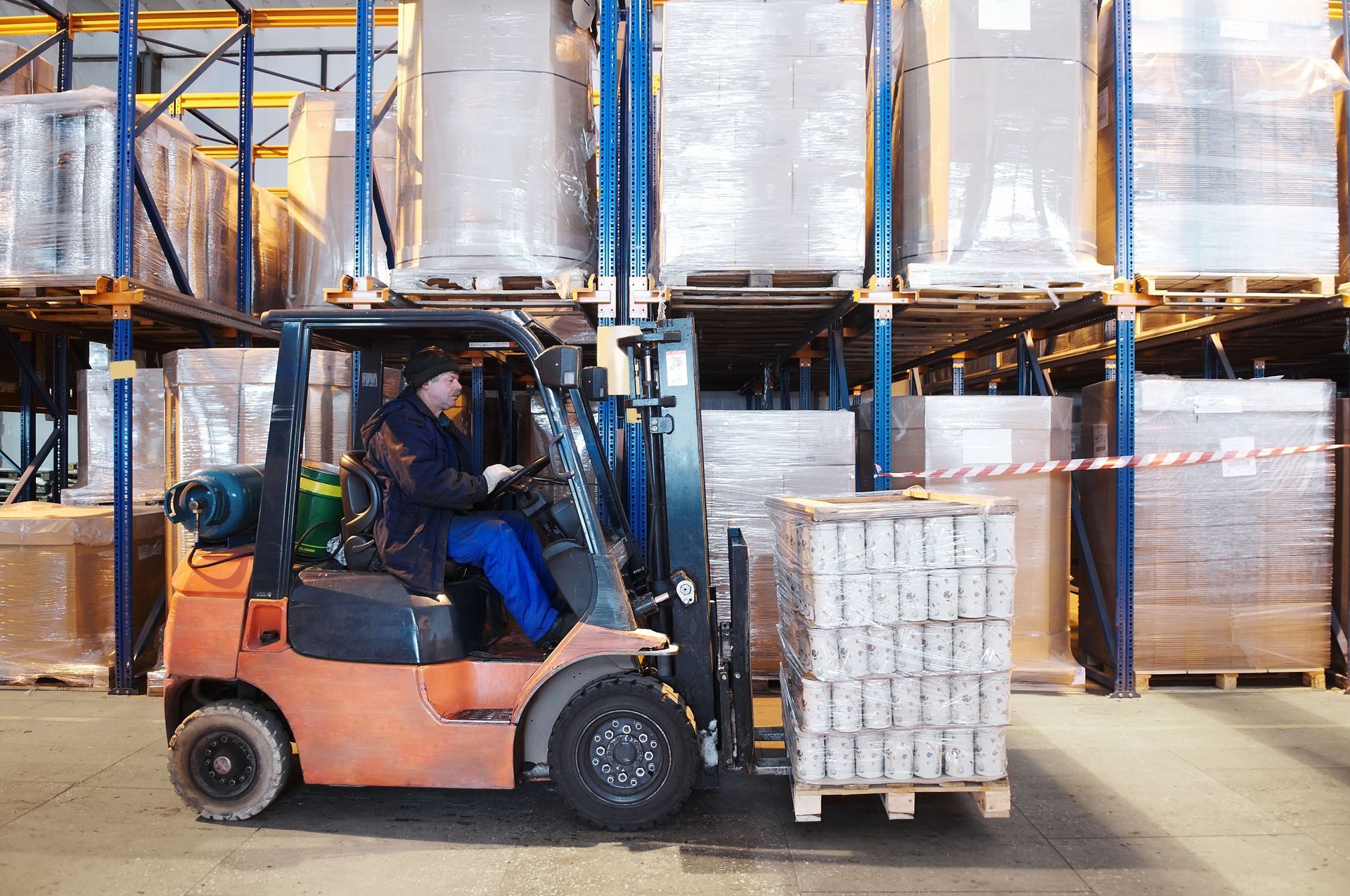
Shipping activity can increase dramatically during seasonal sales, inventory transitions, and major distribution events. Warehouses must move products from storage locations to packing stations, loading docks, and outbound transportation areas. When several shipments require simultaneous preparation, limited equipment availability can create bottlenecks. Additional rental forklifts can help distribute material handling responsibilities across different warehouse sections, reducing competition for equipment and supporting more organized shipping operations.
Effective planning involves identifying where additional lifting capacity will provide the greatest benefit. Some facilities may need forklifts dedicated to loading docks, while others require equipment for replenishing picking locations or transporting palletized merchandise. Managers should consider aisle dimensions, load weights, lifting heights, and operating environments when choosing rental models. Selecting appropriate equipment can improve workflow coordination and help employees complete shipping responsibilities without placing unnecessary demands on existing forklifts.
Accessing Specialized Equipment for Changing Tasks
Seasonal inventory changes can introduce material handling requirements that differ from normal warehouse operations. Businesses may receive unusually heavy shipments, oversized products, or merchandise requiring placement on higher storage racks. Existing equipment might not have the necessary lifting capacity, dimensions, or operating characteristics to accommodate these changes. Rental providers may offer different forklift configurations that allow warehouses to address specialized tasks without purchasing equipment that will see limited use afterward.
Warehouse managers should evaluate load characteristics, operating surfaces, and available maneuvering space before selecting specialized equipment. Electric forklifts may suit certain indoor applications, while other configurations may be appropriate for different operating conditions. Facilities exploring a new fork lift for sale can also use short-term rentals to assess whether particular equipment types meet their requirements. However, rental availability and permitted uses vary by provider. Careful selection helps businesses address changing material handling needs while maintaining appropriate operating practices.
Maintaining Productivity During Equipment Maintenance
Seasonal demand can place additional operating hours on warehouse equipment, increasing the importance of preventive maintenance. Forklifts require inspections, servicing, and occasional repairs to remain dependable. When equipment becomes unavailable during a busy period, warehouses may struggle to complete essential material handling tasks. Rental forklifts can provide temporary replacement capacity while owned equipment undergoes scheduled maintenance or necessary repairs. This arrangement helps businesses avoid postponing important service simply because operational demands are high.
Managers should coordinate rental availability with anticipated maintenance schedules whenever possible. They should also understand rental agreement provisions concerning servicing, breakdowns, and replacement equipment. According to Mordor Intelligence, the U.S. forklift market is estimated to be worth $8.85 billion in 2026. Businesses evaluating equipment options should consider how dependable access to forklifts supports operational continuity. Maintaining equipment availability helps reduce disruptions while allowing technicians to address mechanical concerns before forklifts return to regular service.
Supporting Warehouse Flexibility During Business Growth
Seasonal increases sometimes reveal opportunities for permanent business expansion. A warehouse may begin handling additional customers, introducing new product categories, or extending its distribution territory. However, managers may not immediately know whether higher demand will continue beyond the current season. Purchasing equipment before understanding these changes can create financial commitments that exceed actual operational requirements. Forklift rentals allow businesses to respond to growth while gathering information about future equipment needs.
Rental periods provide opportunities to evaluate forklift utilization, employee productivity, and changing material handling requirements. Managers may track operating hours, shipment volumes, and equipment availability to determine whether additional capacity is consistently necessary. If demand remains elevated, purchasing a new fork lift for sale may become a practical long-term investment. If activity returns to normal, the business can conclude its rental arrangement without maintaining unnecessary equipment. This flexibility supports expansion decisions based on operational experience.
Preparing Equipment Plans for Future Seasonal Demands
Successful seasonal warehouse operations depend on preparation before inventory volumes begin increasing. Reviewing previous shipping records, identifying recurring bottlenecks, and forecasting upcoming demand can help managers estimate equipment requirements. Early planning also provides time to compare rental options, confirm equipment specifications, and coordinate delivery schedules. Waiting until a warehouse becomes overwhelmed may limit available choices and create operational pressure during an already demanding period.
Businesses should review equipment performance after each busy season to identify opportunities for improvement. Managers can evaluate whether rental quantities were sufficient, whether particular forklift types performed effectively, and whether equipment arrived when needed. These findings can guide future rental decisions and purchasing considerations. Comparing rental expenses with the cost of a new fork lift for sale may also help establish a longer-term equipment strategy. Regular planning allows warehouses to adjust material handling capacity as seasonal patterns evolve.
Forklift rentals provide warehouses with a practical way to manage seasonal increases in inventory, staffing, shipping activity, and specialized material handling requirements. Additional equipment can help reduce operational bottlenecks, support temporary workforce expansion, and maintain productivity when existing forklifts require maintenance. Rentals also offer financial flexibility by allowing businesses to obtain lifting capacity without immediately committing to permanent fleet additions. However, selecting the appropriate arrangement requires evaluating expected demand, equipment specifications, operating costs, and workplace safety requirements. Businesses experiencing consistent growth may eventually benefit from purchasing a new fork lift for sale, while those with temporary increases may find rentals more suitable. Careful planning helps warehouse managers maintain dependable equipment availability and prepare for changing workloads throughout the year. Whether your business needs temporary forklift rentals or assistance exploring equipment purchasing options, contact TRS Equipment LLC today.